In a hospital room where flowers, cards and messages of support would normally bring comfort during a national crisis, one unexpected request transformed an outpouring of sympathy into something far more powerful.
Independent MP Helen Haines, facing a deeply distressing personal situation following the devastating events in Wangaratta, reportedly made a decision that touched the hearts of Australians across the country.
Rather than allowing supporters to focus solely on her recovery through traditional gestures of kindness, she encouraged them to direct their generosity towards children in need.
The request carried a remarkable message of compassion, and the response reportedly reached almost AU$1 million for Save the Children.
At a moment when so many people were thinking about her, Haines appeared determined to remind them of those who needed help even more.

A Tragedy That Captured Australia’s Attention
The events in Wangaratta brought an extraordinary wave of concern for Helen Haines and her family, prompting Australians to look for updates and ways to offer their support.
For a public figure who has spent years working within her community, the sudden focus on her personal circumstances created an emotional moment that extended well beyond political circles.
Haines is widely associated with her work as an independent representative for the people of Indi, a role that has placed community concerns at the centre of her public life.
Her connection with the region has helped establish her as a familiar figure among constituents who have followed her work on local issues, healthcare and regional representation.
When news of the incident emerged, concern naturally extended to her wellbeing and the circumstances facing those closest to her.
Supporters wanted reassurance.
Others looked for opportunities to send messages of encouragement, hoping that their words might provide some comfort during an extraordinarily difficult period.
The response reflected something deeply familiar in Australian communities.
When someone is facing a serious personal crisis, people often search for practical ways to demonstrate that they are not alone.
Sometimes that means a phone call.
Sometimes it means a handwritten card, a delivery of flowers or a donation made in someone’s name.
But in this case, the response reportedly developed into something much larger than anyone could have anticipated.
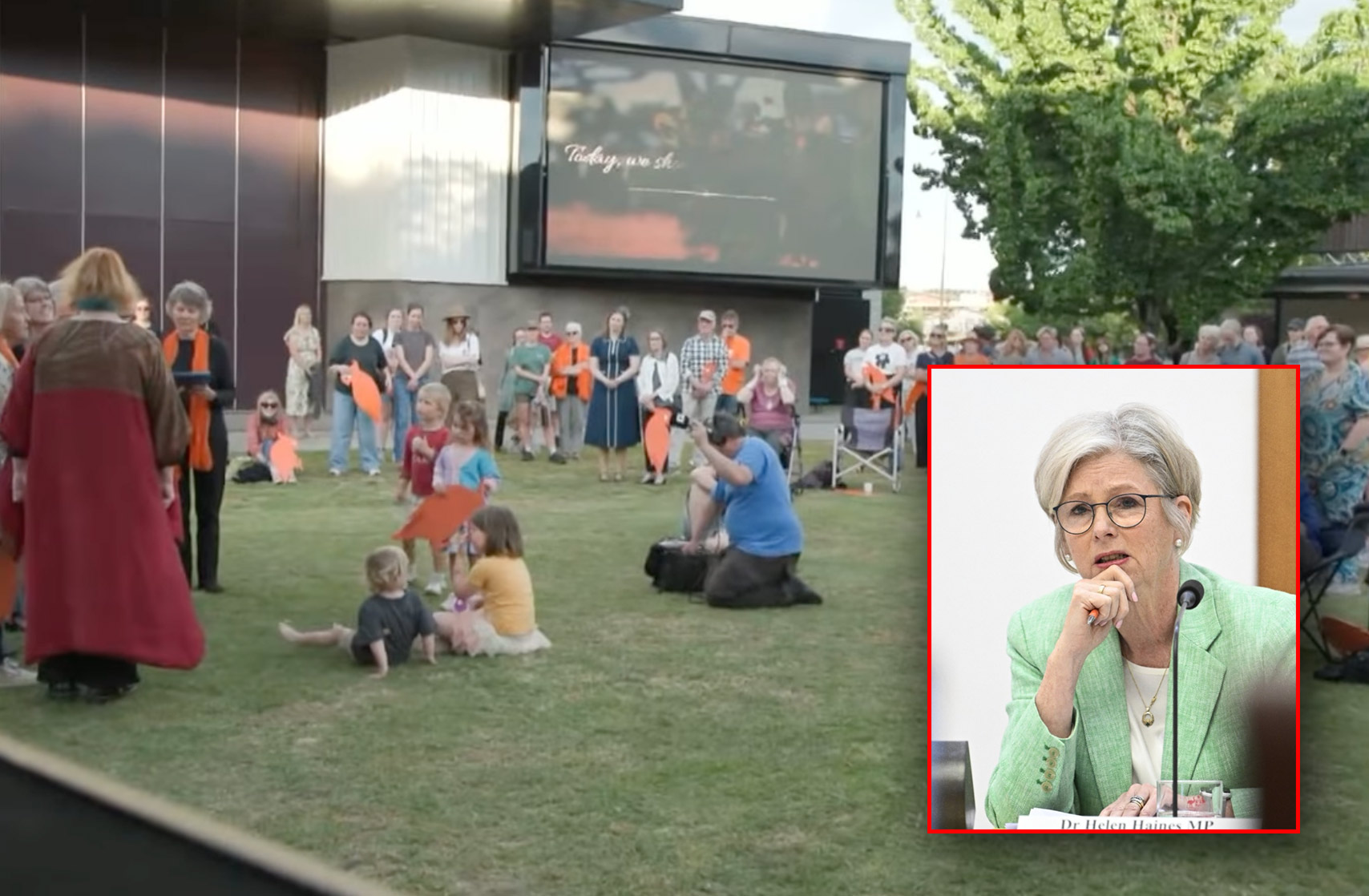
An Outpouring of Sympathy and Support
As news spread, messages of concern and encouragement reportedly began arriving from Australians who wanted to express their support for Haines and her family.
The flowers and well-wishes represented more than ordinary gestures of kindness.
They reflected the emotional connection that can develop between a public representative and the people who have watched their work over many years.
For many supporters, sending something during a difficult moment is a way of communicating a simple message.
We are thinking of you.
We hope you recover.
You do not have to face this alone.
That instinct can be especially powerful when the person receiving those messages has spent much of their professional life working on behalf of others.
Yet the growing attention also created an opportunity to redirect that generosity.
Instead of allowing the response to remain focused entirely on her personal circumstances, Haines reportedly made a request that encouraged Australians to consider a different group of people who were also facing difficult situations.
Children in need.
It was a decision that changed the emotional direction of the story.
Rather than simply receiving the sympathy being offered, she was reportedly encouraging supporters to transform their concern into practical assistance.
The gesture suggested that even during a moment of personal hardship, there remained an opportunity to help someone else.
“In Lieu of Flowers…” The Request That Changed Everything
The emotional turning point came with a formal statement released on Haines’ behalf.
According to the supplied account, supporters were encouraged to make donations to Save the Children rather than sending flowers or gifts.
The request was simple, but its meaning was profound.
Instead of allowing the public’s generosity to remain concentrated on one individual, the appeal offered a way for that generosity to reach children who needed protection, assistance and support.
For Australians who had been searching for a meaningful way to express their concern, the suggestion provided a practical alternative.
A donation could become more than a symbolic gesture.
It could contribute towards programs intended to help vulnerable children and families facing difficult circumstances.
The response reportedly exceeded expectations, with the campaign raising almost AU$1 million.
That figure represents a remarkable reported outcome for an appeal that began with a request to redirect flowers and gifts.
However, the precise fundraising total, campaign details and circumstances surrounding the statement would need independent confirmation before publication as verified news.
What makes the reported appeal so compelling is not simply the amount of money involved.
It is the idea that an individual receiving an extraordinary amount of public sympathy might choose to use that attention to support people whose struggles are often less visible.

Why the Message Resonated With Australians
The reported response reflected a powerful emotional connection between compassion and action.
When people hear about a tragedy, they often experience a mixture of sadness, concern and helplessness.
They want to do something, but the distance between their own lives and the situation can make meaningful assistance feel difficult.
A charitable appeal can provide a way to bridge that distance.
Instead of simply expressing sympathy, supporters have an opportunity to contribute towards a cause that may improve the lives of others.
The reported campaign also offered a different perspective on the role of public figures during moments of personal crisis.
People naturally expect updates about a politician’s health, family and recovery.
But a request to support children in need shifts the focus away from the individual and towards a wider community.
That shift can be particularly moving because it demonstrates how personal circumstances and public responsibility sometimes intersect.
It also creates an opportunity for people to respond to tragedy with something constructive.
Rather than allowing the emotional impact of an incident to end with concern and uncertainty, supporters can participate in an effort that seeks to make a positive difference.
The reported fundraising response suggests that many Australians were willing to embrace that opportunity.
A Community Advocate’s Values Under Pressure
Helen Haines’ public career has been shaped by her work representing a regional electorate and advocating for issues affecting local communities.
Her background in healthcare has also contributed to her association with concerns surrounding access to services, particularly in regional areas where resources and support can be more difficult to obtain.
That experience provides important context for understanding why a charitable appeal involving vulnerable children might resonate with her public identity.
Community advocacy often requires looking beyond immediate circumstances and considering how decisions affect people who may have limited opportunities to make their voices heard.
Children are particularly vulnerable in that respect.
Their circumstances can depend heavily on the support available to their families, communities and the organisations working to protect them.
For supporters who have followed Haines’ work, the reported request may therefore have felt consistent with the values they associate with her.
It was an opportunity to turn concern into something that could potentially benefit people beyond her immediate circle.
Still, the appeal should not be interpreted as evidence that her personal recovery was unimportant.
A person can appreciate support during a crisis while also encouraging others to contribute to a broader cause.
The two forms of compassion are not mutually exclusive.
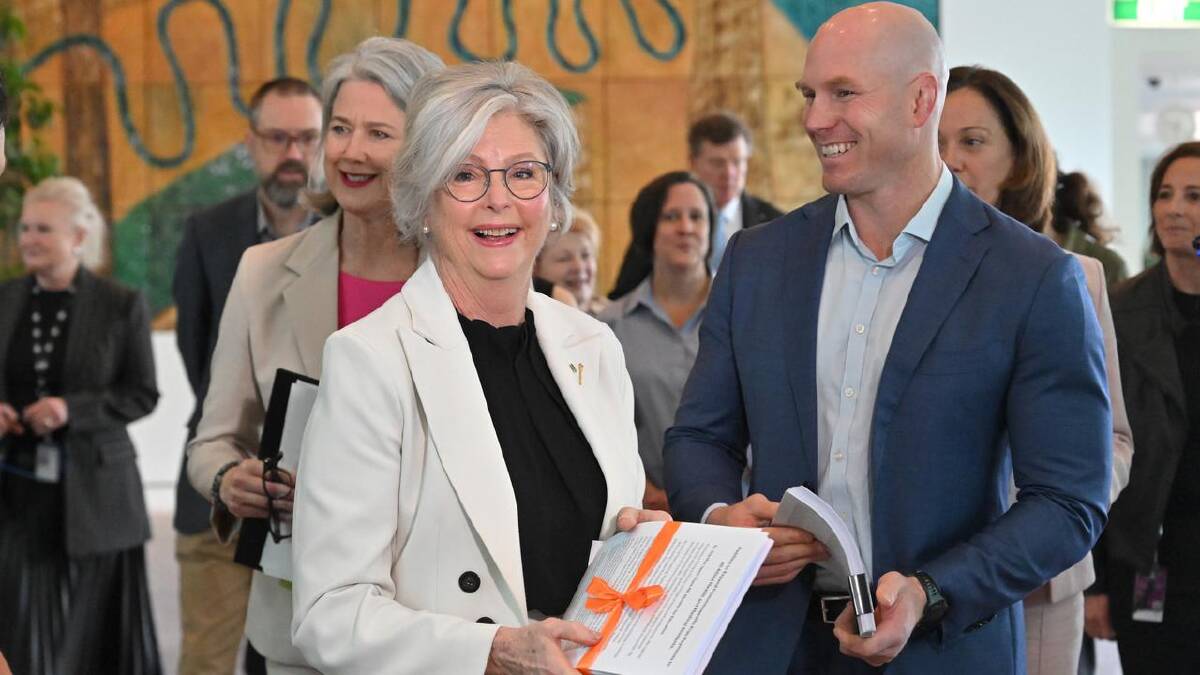
Turning a Difficult Moment Into Hope
The reported campaign offers a powerful reminder that generosity can take many forms.
Flowers can brighten a hospital room.
Messages can provide comfort.
And donations can help organisations support people facing circumstances that might otherwise feel impossible to overcome.
Each gesture carries its own meaning, and none needs to be dismissed simply because another form of assistance is available.
But when someone chooses to redirect an extraordinary wave of public sympathy towards a charitable cause, the effect can extend far beyond the original moment.
The reported near-AU$1 million fundraising outcome demonstrates how a simple request can inspire a remarkable response when people feel connected to the person making it.
For Save the Children, the appeal reportedly created an opportunity to receive substantial support for its work with vulnerable children.
For Australians who contributed, it offered a way to transform concern into action.
And for those following Haines’ circumstances, it provided a reminder that compassion does not have to stop with the person who first receives it.
A Legacy of Kindness Beyond the Hospital Room
The most powerful part of this story is the possibility that an act of generosity can continue long after the headlines fade.
A hospital stay may bring uncertainty, difficult conversations and moments when even the smallest gesture feels significant.
Yet the reported appeal suggests that one person’s request can inspire thousands of others to think about how they might help.
The flowers that were never sent, the gifts that were replaced by donations and the messages of support that accompanied the campaign all contributed to a wider expression of kindness.
If the reported fundraising figures are confirmed, the outcome would represent a remarkable achievement for a campaign born from a deeply distressing situation.
But its significance extends beyond the money raised.
It lies in the reminder that people facing hardship can still inspire hope, and that communities can respond to tragedy by finding ways to support those who need help.
For Helen Haines and her family, the priority remains their personal wellbeing and recovery.
For the children and families supported by charitable organisations, the appeal may offer additional resources and opportunities for assistance.
And for Australians who watched the story unfold, the message is one worth remembering.
Sometimes, the most meaningful response to someone’s suffering is not simply to send flowers.
Sometimes, it is to take the kindness we feel and pass it on to someone who needs it just as much.
In a moment when so many people were thinking about Helen Haines, her reported request offered a different kind of ending.
One in which sympathy became generosity, generosity became action, and a deeply difficult chapter became an opportunity to bring hope to children whose lives could be changed by the kindness of strangers.