The Illusion of a Smile
In the photograph, South Sydney Rabbitohs star Jai Arrow sits on a sterile medical bed, tethered to an IV line, yet flashing a characteristically brave smile to the camera. To the casual observer, it is a reassuring update—a sign that the beloved forward is taking his latest setback in stride. But what is truly hiding behind that grin? The brutal reality of rugby league is that bodies inevitably break under the crushing force of the game. While the physical scars and torn tissues are methodically treated in quiet clinics like this one, the profound mental battles are fought entirely in the dark.
A Warrior’s Toll

The National Rugby League (NRL) season is a grueling, relentless grind, demanding absolute physical perfection from its gladiators. Arrow has long established his reputation as one of the game’s ultimate warriors, a player who routinely sacrifices his body for the cardinal and myrtle. However, this warrior spirit often comes at a steep price. Over his career, Arrow has endured a frustrating series of physical setbacks, repeatedly playing through pain that would sideline ordinary men. Yet, even the toughest competitors eventually hit a breaking point where sheer willpower can no longer override a failing body.
The Isolation of Recovery
The physical pain of an injury is only the beginning; the true test lies in the isolating nature of rehabilitation. When the stadium lights dim, the crowds go home, and teammates return to the vibrant energy of the training paddock, the injured player is left behind. Arrow’s world shrinks to endless medical appointments, the rhythmic hum of diagnostic machines, and hours of excruciating physical therapy. It is a lonely existence, entirely stripped of the adrenaline, routine, and brotherhood that define a professional athlete’s daily life.
Battling the Shadows

The psychological toll of this isolation cuts far deeper than any surgical incision. Behind the PR-friendly hospital photos lie candid moments of intense vulnerability. For an elite athlete whose identity is fundamentally tied to physical dominance, being reduced to a spectator breeds profound doubt. Arrow has faced the dark, quiet hours wondering about the long-term future of his career, battling the agonizing frustration of a body that temporarily refuses to cooperate. More than the personal pain, it is the crushing fear of letting his teammates, his coach, and his loyal club down that weighs heaviest on his shoulders during these solitary recovery sessions.
An Outpouring of Support
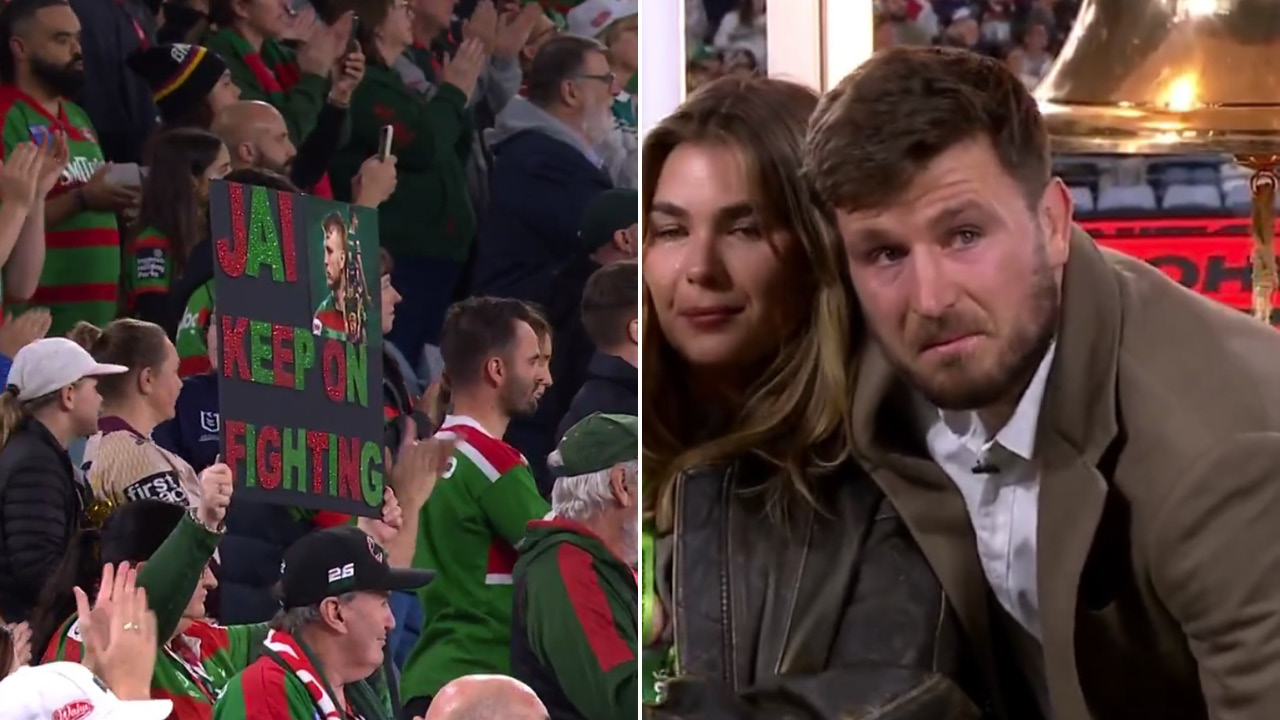
When the image of his hospital smile surfaced, the response from the rugby league community was immediate and overwhelming. The South Sydney Rabbitohs faithful flooded social media with a massive outpouring of love and support. Fans looked past the brave face, recognizing the immense sacrifice Arrow has consistently made for their club. Messages of encouragement became a digital lifeline, reminding the sidelined star that his impact extends far beyond his output during eighty minutes on the field.
Redefining Toughness
Arrow’s situation highlights a significant shift in modern sports culture. Today’s athletes are demonstrating a newfound willingness to be open about their holistic health struggles. By sharing these vulnerable moments—IV drips, hospital beds, and all—players like Arrow are actively dismantling the outdated “tough guy” stigma that has long plagued contact sports. They are proving that acknowledging pain, fear, and mental exhaustion is not a sign of weakness, but rather a profound display of self-awareness.
The Ultimate Strength
As Jai Arrow continues his arduous journey back to the pitch, that hospital smile takes on a much deeper, more resonant meaning. It serves as a powerful reminder that true strength is not merely defined by making bone-crushing tackles or violently breaking defensive lines. Sometimes, the ultimate display of courage is simply finding the strength to smile through the hardest, darkest days of recovery.