The Emotional Truth Nobody Expected: Tony Modra Reveals Why the Accident Was a ‘Wake-Up Call’
Most people would look at a near-fatal, devastating accident as the absolute worst day of their lives—a traumatic bookmark in their personal history they would do anything to erase. Yet, as he continues to recover from his terrifying ordeal, AFL legend Tony Modra is reportedly viewing his survival through a lens that has left many stunned. Rather than focusing solely on the pain of the wreckage, he is processing the event as a pivotal “wake-up call.” In a world obsessed with speed and success, Modra’s shift in perspective offers an unexpected, profound truth that resonates far beyond the sporting arena.
The Blur of High-Pressure Living
For decades, Modra lived life in the fast lane. As a celebrated public figure, his existence was defined by relentless pressure, public expectation, and the constant, demanding momentum of a high-profile career. When you are perpetually moving forward—chasing goals, managing appearances, and keeping pace with the public gaze—it becomes dangerously easy to lose sight of the present moment. We often sleepwalk through our own lives, taking the simple privilege of being “present” for granted, until something external forces us to stop.
The Randomness of the Wreckage
The reported sequence of events that led to the crash highlights the chilling randomness of our existence. It was a day like any other, filled with mundane tasks and routine plans. Then, in the blink of an eye, the familiar world turned into a nightmare of twisted metal. It serves as a stark, uncomfortable reminder: trauma does not check your resume, and it certainly does not care about your status. The crash could have happened to anyone, on any given day, turning a standard afternoon into a life-defining crisis.
Finding Meaning in the Aftermath
It is in the aftermath of such violence that the human spirit often undergoes a radical transformation. Waking up battered, bruised, but undeniably alive, Modra reportedly experienced a moment of intense clarity. He began to view the accident not just as a tragedy, but as a brutal, necessary interruption—a “wake-up call” that demanded he re-evaluate everything.
His rumored sentiments are deeply moving: he has spoken about the urgent need to slow down, to release the weight of past grievances that no longer serve him, and to stop deferring happiness to some imagined future. He now views every day not as a stepping stone to a goal, but as a finite, precious resource that should never be wasted on bitterness or unnecessary anxiety.
A Mirror for the Public
His candid reflection has rippled through his fanbase, forcing many to look in the mirror. Fans are re-evaluating their own daily complaints and petty stresses, realizing that their frustrations over traffic, emails, or minor social friction pale in comparison to the fragility of life itself. By sharing his journey, Modra has provided a mirror for others, encouraging them to trade their chronic busyness for a deliberate, conscious appreciation of their surroundings.
The Art of Post-Traumatic Growth
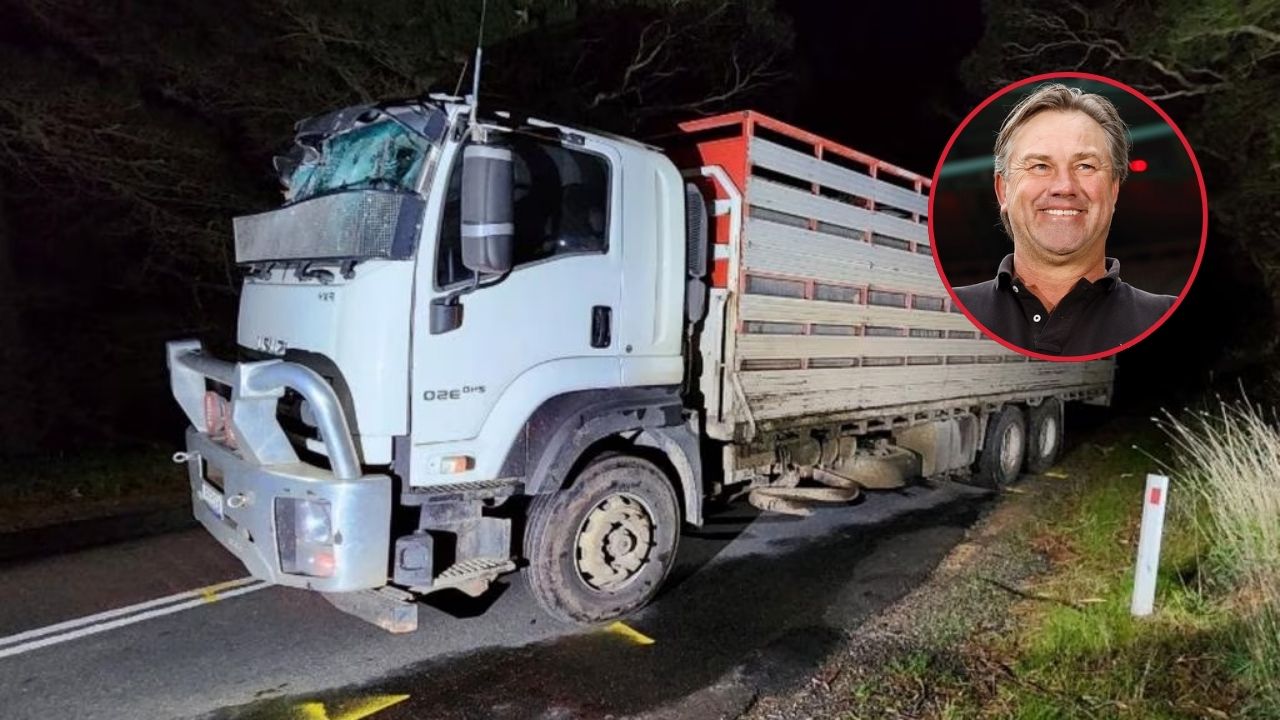
Psychologists often refer to “post-traumatic growth,” a phenomenon where individuals who face profound adversity emerge not just resilient, but fundamentally altered for the better. Facing the end of the road, as Modra did, often shows us how to actually drive on it. When the facade of immortality is stripped away, we are finally forced to confront what is truly essential.
A Call to Cherish the Mundane
In a final reflection on his recovery, Modra’s message to the world is one of radical gratitude. He is urging the public to stop waiting for “big moments” to feel joy and to start appreciating the mundane, boring, and beautiful days they are currently living.
“We wait for the fireworks,” the sentiment goes, “but life is actually found in the quiet, steady hum of just being here.” Tony Modra’s brush with death has become a powerful lesson for us all: life is a fleeting gift, and there is no better time than right now to truly start living it.