Unmasking Farmer Jarrad: The Untold Reality Behind the Edit
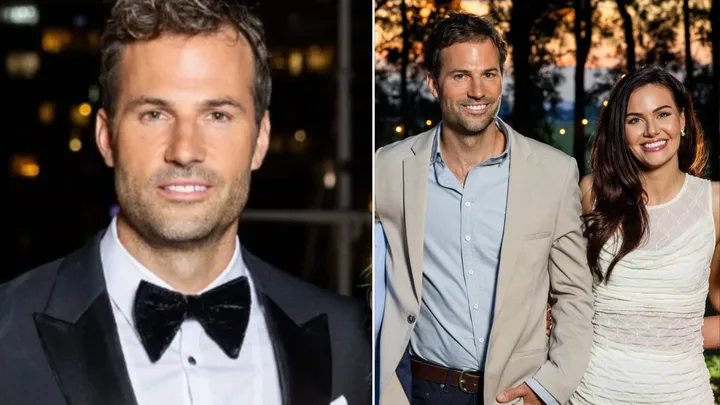
Reality television has long operated on a precarious fault line between authentic human connection and heavily orchestrated narrative fabrication, leaving participants uniquely vulnerable to public misinterpretation.
Nowhere is this dynamic more acutely visible than in the ongoing national discourse surrounding Channel Seven’s hit agricultural romance program, Farmer Wants A Wife. Amid a television season defined by unexpected twists and dramatic emotional fallout, almond farmer Jarrad Casaretto has unexpectedly vaulted into the spotlight as one of the most polarizing figures in the franchise’s history.
Sparking a fierce nationwide debate across digital forums, Casaretto’s journey forces a critical examination of how reality editing shapes public opinion, alters reputations, and constructs artificial public personas.
Throughout the 2026 installment of the widely viewed franchise, Casaretto maintained an exceptionally composed, reserved demeanor that instantly separated him from more theatrical contestants.
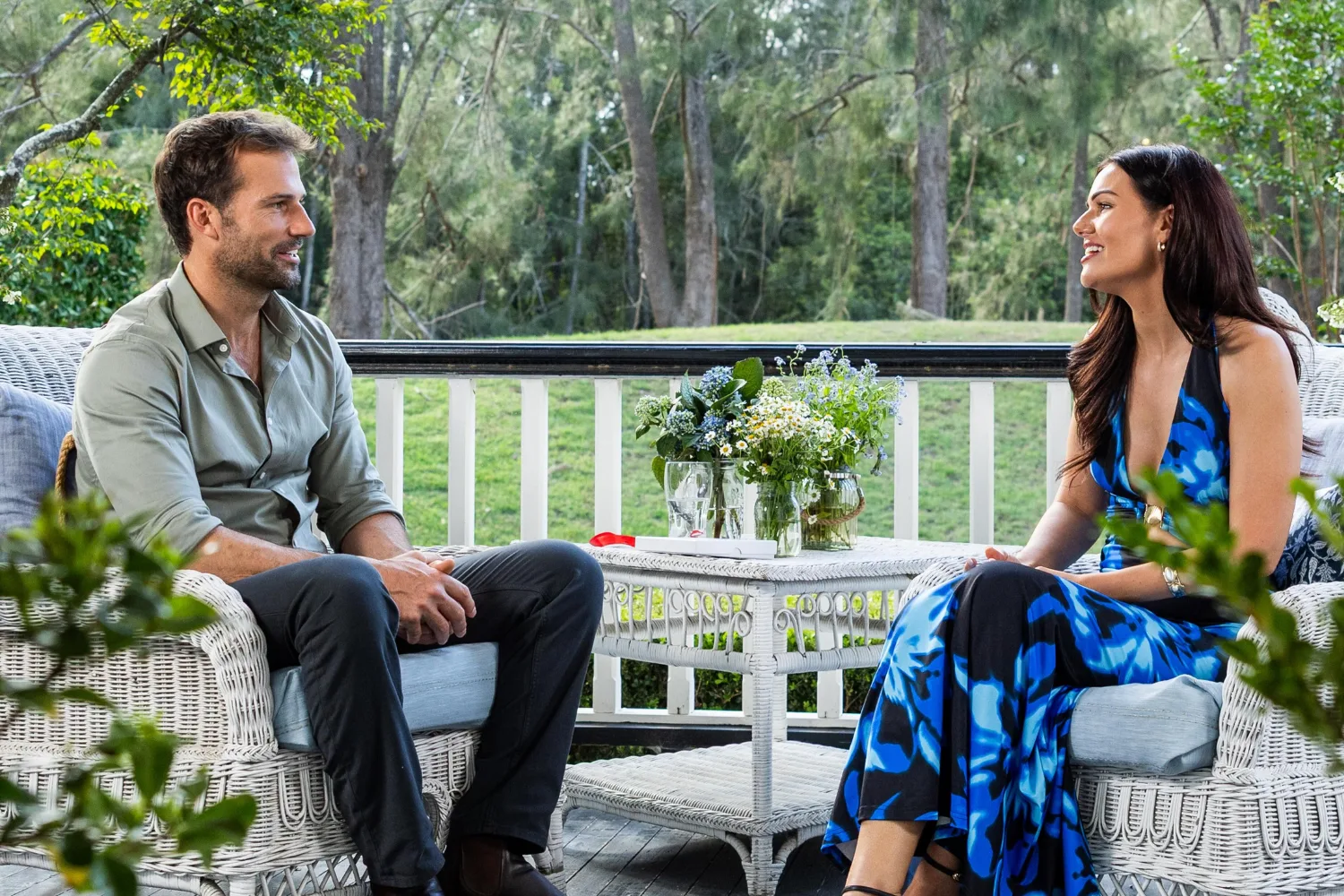
While contemporary participants frequently leaned into high-drama confrontations and grand romantic gestures, the father-of-two approached his search for companionship with an austere, cautious reserve. However, this quiet disposition quickly became a lightning rod for division among viewers.
Dedicated fan communities and social media groups fractured into opposing camps, with critics dismissing his calm exterior as stiffness and a lack of depth, while staunch supporters argued that the television production format fundamentally failed to capture his true character.
The Digital Backlash and the Illusion of the Television Edit

The friction between Casaretto’s on-screen portrayal and public expectation underscores a recurring vulnerability inherent in structured reality television.
To millions of viewers watching weekly episodes from home, edited packages provide a heavily compressed and selective window into complex interpersonal dynamics. For Casaretto, this extreme compression generated widespread accusations of emotional detachment, with online commentators openly questioning his personality.
Within digital fan spaces, harsh critiques characterized his interactions as lacking spontaneity, unfavorably comparing his conversational style to rigid, rehearsed dialogue.
Such severe public scrutiny invariably levies a heavy psychological toll on participants who enter the entertainment sphere unaccustomed to mass digital commentary. Industry insiders close to the production have indicated that Casaretto experienced a genuinely difficult period navigating the unrelenting wave of online hostility.
Production sources emphasize that the televised narrative offered an incomplete, one-dimensional reflection of his actual character, heavily distorted by the constant presence of camera crews and the inherent pressure of televised courtship. As media analysts frequently note, an edited television product rarely tells the full story of an individual’s lived reality.
Unmasking the Off-Screen Reality: Revelations From the Farm

The public narrative surrounding Casaretto shifted dramatically when eliminated contestant Cara stepped forward to disclose what truly transpired away from the rolling cameras.
Having spent formative days on the almond farm prior to her departure, Cara offered an illuminating perspective that systematically dismantled the rigid image projected on television screens.
While candidly acknowledging that her own bubbly, outgoing temperament ultimately clashed with Casaretto’s quiet nature, she firmly rejected the assertion that he lacked depth or personality.
According to Cara, a stark transformation occurred the moment production crews wrapped filming for the day.
Away from the intense glare of studio lighting and boom microphones, Casaretto shed his guarded television persona, revealing an animated, adventurous spirit that surprised those staying on the property.
Far from the stiff conversationalist depicted in final television cuts, he engaged warmly with participants during morning walks, shared casual breakfasts, and even showcased personal passions—including his prized Ducati motorcycle—demonstrating a vibrant side entirely omitted from the official broadcast.
Furthermore, Cara’s revelations offered a rare, unfiltered look into the grueling logistical reality behind romanticized television production.
Contrary to the seamless, rapid progression portrayed to home audiences, rigorous filming schedules stretch across multiple days for single sequences, requiring participants to maintain consistent wardrobes and emotional energy under exhausting conditions.
These behind-the-scenes constraints help explain why participants frequently appear guarded or fatigued under the intense microscope of professional broadcast production.

Farmer Wants A Wife’s Carly, Brodie, Cara and Yvonne from Jarrad’s farm. Credit: Seven.
Navigating the Modern Media Landscape and Public Perception
The intense public discourse surrounding Jarrad Casaretto transcends typical reality television gossip, serving instead as a compelling case study in media literacy and modern audience reception.
As television audiences increasingly demand absolute authenticity from unscripted programming, production houses face mounting pressure to balance narrative entertainment with ethical representation. When editing suites prioritize sensationalized contrasts over balanced portrayals, participants inevitably bear the brunt of public misunderstanding.
Despite the initial wave of digital backlash, Casaretto’s ability to maintain composure both during and after his tenure on the program highlights a resilience forged far away from the entertainment industry.
His supportive post-show communication with eliminated contestants, checking in on their well-being amidst online hostility, reflects a character defined by genuine empathy rather than the manufactured coldness projected by television edits.
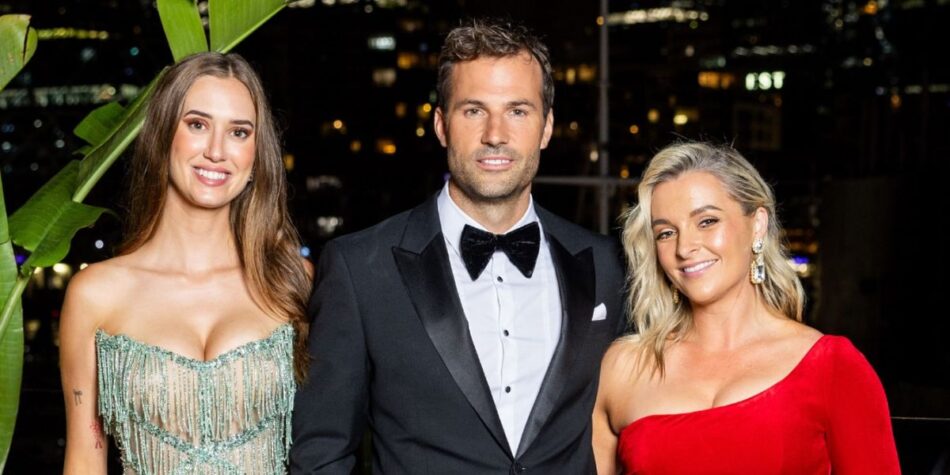
Credit: Seven.
Ultimately, the narrative of Farmer Jarrad Casaretto underscores the fundamental imperative for media consumers to exercise critical discernment when engaging with reality television. As entertainment production continues to evolve within an interconnected digital landscape, the gap between mediated perception and human reality remains wide.
True character is rarely found within a heavily edited thirty-minute broadcast block, but rather in the quiet, unscripted moments witnessed only away from the lens.