The Block Judging Scandal: Viewers Erupt as Unfinished Space Clinches High Scores
National television flagship The Block has been plunged into fresh controversy following a contentious room-reveal episode that triggered widespread viewer backlash over perceived judging inconsistencies.
The latest round of scoring on the long-running Channel Nine franchise saw front-runners Courtney and Sev awarded near-perfect tallies for an incomplete outdoor terrace and pool area, while opposing teams who delivered fully realized designs were either penalized or edged out under contentious circumstances.
The decision has reignited intense debate among industry observers and audiences alike regarding the transparency, consistency, and integrity of the program’s judging criteria as the season enters its final stages.
The dispute emerged following the evaluation of the exterior entertainment zones, traditionally regarded as one of the most demanding and cost-intensive milestones of the competition.
Courtney and Sev presented a space with visibly unfinished timber decking, yet managed to secure an exceptional combined score of 28.25 out of a possible 30 points.
The panel heaped substantial praise upon the duo’s styling and spatial choices, downplaying the missing structural finishes.
The verdict immediately drew scrutiny when contrasted with the treatment received by father-daughter team Rick and Tayla, who also failed to finalize their decking within the allotted time frame. In stark contrast, Rick and Tayla were handed a severe markdown, receiving 21.5 out of 30, with the panel explicitly citing incomplete work as the primary catalyst for their reduced score.
The disparity in the judges’ technical assessments quickly became the focal point of public friction. In House 1, competitors Adam and Jolene delivered a fully completed, immaculately detailed outdoor area that drew high praise from the panel, with judges openly comparing the build quality to luxury residences valued at over ten million dollars.
Despite this appraisal, the completed space was awarded an initial score of 28 out of 30, falling a quarter of a point short of Courtney and Sev’s unfinished presentation. To secure the round’s official victory, Adam and Jolene were compelled to deploy their bonus gnome, a hidden strategic advantage earned earlier in the season that adds a single decisive point to their tally.

The outcome prompted immediate speculation regarding the competitive balance of the series. Industry commentators and dedicated viewers questioned whether the baseline scores were structured to force the redemption of the bonus gnome, effectively stripping a decisive strategic asset from the playing field ahead of the remaining renovation weeks.
Television analysts note that the forced expenditure of competitive items under debatable scoring spreads often serves to level the playing field artificially, heightening tension for subsequent episodes.
Public reaction across official digital platforms and publication comment feeds was swift and overwhelmingly critical. Viewers pointed to an apparent double standard applied across different properties, arguing that basic competition guidelines should mandate a standard penalty floor for incomplete construction work.
The sentiment that specific teams receive disproportionate leniency while others face punitive reviews has grown increasingly prominent throughout the current broadcast run.
Critics argued that awarding scores exceeding 9.5 out of 10 to a space with unfinished flooring undermines the core premise of a high-pressure construction timeline, where meeting the deadline is theoretically a fundamental requirement.
The mounting scrutiny has brought the official judging methodology under direct examination. In an earlier episode, veteran judge Darren Palmer outlined the specific mechanical breakdown of his individual 10-point scorecard during a discussion with contestants.
Palmer detailed that his evaluation rests on four distinct, equally weighted pillars, each allocated 2.5 points: overall finish, architectural design, included fixtures, and broad marketability. Under that explicit formula, the total failure to complete a room’s finish should mathematically cap a contestant’s maximum possible score at 7.5 out of 10 from that individual judge.
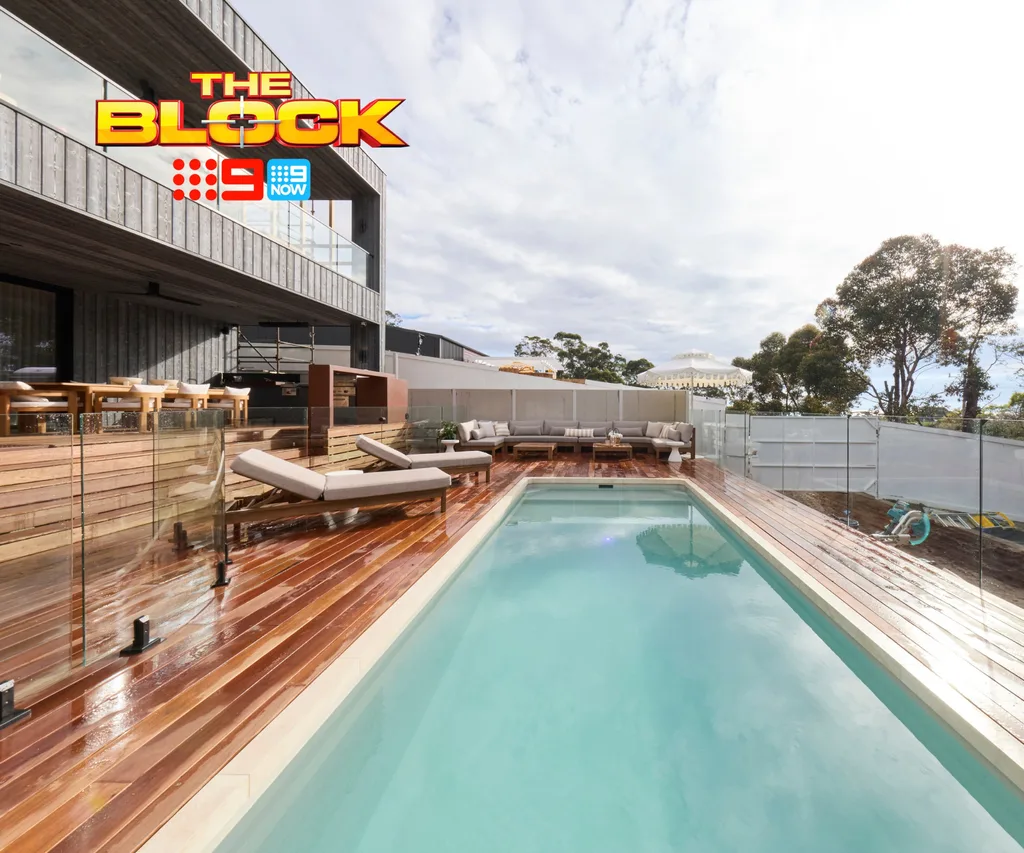
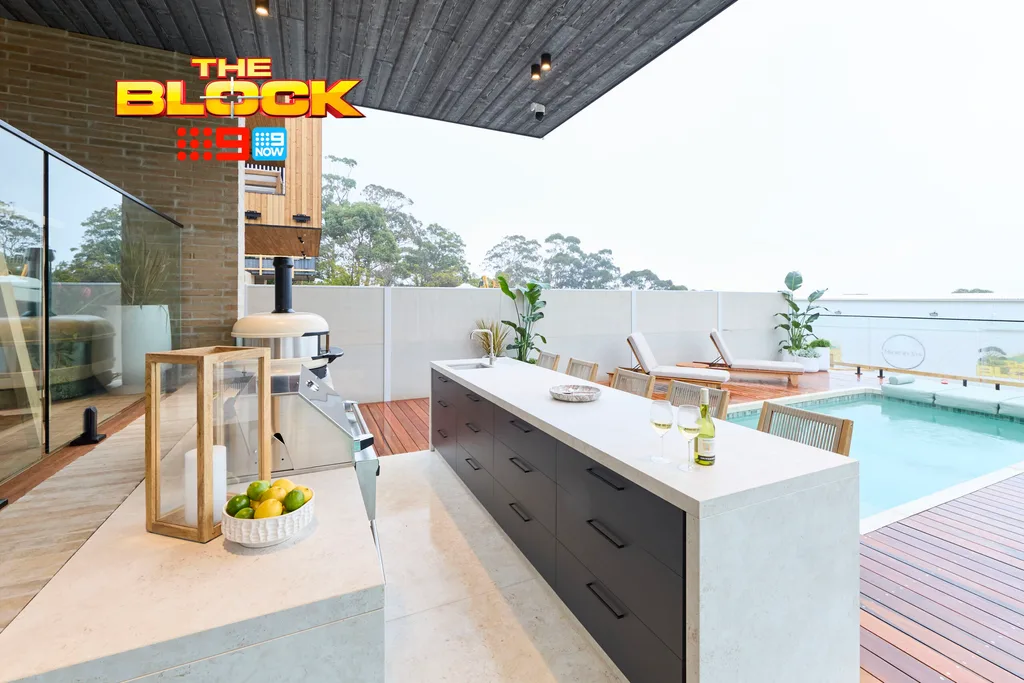
The subsequent scores awarded to Courtney and Sev directly conflict with that stated structural framework. Individual scores of 9.0, 9.5, and 9.75 demonstrate that deductions for missing construction elements were either drastically minimized or entirely offset by subjective aesthetic considerations.
This visible gap between the panel’s stated technical standards and their practical scoring has intensified audience claims of subjective bias, leaving viewers questioning whether the competitive framework remains grounded in measurable criteria or shifting production preferences.
As the season advances toward the high-stakes auction phase, the broader implications of these judging disputes extend beyond episodic entertainment. Scoring tallies directly dictate weekly cash prizes, budget relief, and strategic advantages that significantly influence a team’s capacity to finish their respective homes to a marketable standard.
While the architectural quality of the season’s developments remains exceptionally high, the perceived absence of a consistent, objective standard in evaluating completed work continues to alienate dedicated audiences who expect competitive rigor to match the scale of the investment.