For more than three decades, Helen Haines devoted her life to looking after other people. She was the nurse comforting frightened patients, the midwife helping mothers welcome their babies and the rural health advocate fighting to make sure families outside Australia’s major cities received the care they deserved.
At 26, she was already leading a small rural hospital. Years later, after raising a family, pursuing advanced medical research and building a career in regional healthcare, she made an unexpected move into politics.
By 2019, Helen had become the independent federal MP for Indi, making history as the first independent candidate to succeed another independent in Australia’s House of Representatives.
But on October 19, 2026, the woman who had spent so much of her life caring for others became the person in need of extraordinary care.
In an incident outside her electorate office in Wangaratta, Victoria, Helen was struck by a vehicle in what police allege was a deliberate attack. The injuries were catastrophic. Surgeons were forced to amputate both her legs, and she was transferred to Melbourne’s Alfred Hospital in a critical condition.
Her family, colleagues and the community she had served for decades were suddenly united by one hope: that Helen would survive.
As of the latest publicly reported hospital update on October 24, her condition had improved to serious but stable. Parliament was still reporting the same condition on October 27.
Her journey from a rural hospital to the national Parliament had been extraordinary. Now, a new and deeply challenging chapter lies ahead.

A Girl From a Dairy Farm Who Chose a Life of Caring
Helen Mary Haines was born on September 21, 1961, in Colac, Victoria. She grew up with her four brothers on a dairy farm in the state’s south-west, surrounded by the close-knit community that would shape much of her life.
Growing up in rural Australia taught her the importance of looking after neighbours, helping when someone needed assistance and understanding the challenges facing families outside major cities.
Those values would eventually become central to both her medical career and her political work.
Like many young people from regional communities, Helen moved to Melbourne to pursue further education. She trained as a nurse and midwife at St Vincent’s Hospital, beginning a professional journey that would take her back to the country communities she knew so well.
Rather than remain in the city, she returned to north-east Victoria, where she settled in Chiltern.
At just 26, she became matron of the Chiltern Bush Nursing Hospital — a remarkable responsibility for someone still so early in her career.
It was the beginning of a lifelong commitment to rural healthcare.

From Hospital Wards to Three Decades in Rural Healthcare
Helen later moved to Wangaratta Hospital, where she led midwifery services and helped establish one of Australia’s longest-running rural midwifery programs.
Her work involved far more than clinical care. She understood that regional families often faced additional challenges accessing specialist services, maternity care and medical support.
Over the following three decades, she worked as a nurse, midwife, healthcare researcher and academic.
But her desire to understand healthcare extended beyond treating individual patients.
While raising her family and maintaining her professional responsibilities, Helen continued studying, completing a Master of Public Health at the University of New South Wales and a PhD in Medical Science at Uppsala University in Sweden.
She also undertook postdoctoral research at Sweden’s Karolinska Institute.
Her academic work focused on health outcomes, including childbirth and the importance of evidence-based healthcare.
The experience gave her a deeper understanding of why some communities enjoyed better healthcare than others, and how public policy could help close those gaps.
Years later, those experiences would become among the strongest influences on her political career.
The Family That Remained at the Centre of Her Life
Away from hospitals and research, Helen was building a family with her husband, Phil Haines, an agricultural scientist whom she met in north-east Victoria.
Together, they raised three children: Will, Nick and Georgia.
The family established their home on a small cattle farm outside Wangaratta, remaining closely connected to the regional community that Helen had spent much of her professional life serving.
Helen was also a keen runner and gardener, enjoying the outdoors and the quieter routines of country life.
In October 2026, an ABC profile described her as a grandmother who had recently welcomed another grandchild and was looking forward to celebrating 40 years of marriage with Phil the following month.
She had also begun thinking about what life might look like beyond the demands of federal politics.
In her parliamentary speeches, she regularly spoke about the importance of family and the support she received from those closest to her.
Her husband and children have now become her greatest source of strength during a period none of them could have anticipated.
The Unexpected Move From Nursing Into Politics
Helen’s political journey began with a community movement rather than a traditional political career.
In 2019, the federal seat of Indi faced a significant transition after independent MP Cathy McGowan announced her retirement.
McGowan had won the traditionally conservative electorate in 2013 through a grassroots campaign built around community participation and a different approach to representation.
Helen became involved in the movement that supported an independent successor, with local residents helping shape the campaign.
Her background in healthcare and long-standing connection to the region made her a natural candidate for a community that wanted its representative to understand local concerns.
She won the 2019 federal election and made history as the first independent to succeed another independent in Australia’s House of Representatives.
She was subsequently re-elected in 2022 and 2025.
For someone who had spent much of her working life in hospitals and research institutions, entering the political arena represented a dramatic change.
Yet Helen believed the two careers were closely connected.
Her experience as a nurse had taught her to listen, understand individual circumstances and recognise that decisions made by institutions could have enormous consequences for ordinary families.
She brought that same philosophy to Parliament.

The Issues She Fought to Change
During her time representing Indi, Helen became particularly focused on improving services and opportunities for regional Australians.
Healthcare remained one of her central priorities, especially the difficulties rural communities faced in accessing doctors, nurses, maternity services and specialist treatment.
She also advocated for regional housing, education, cost-of-living support and stronger healthcare training opportunities.
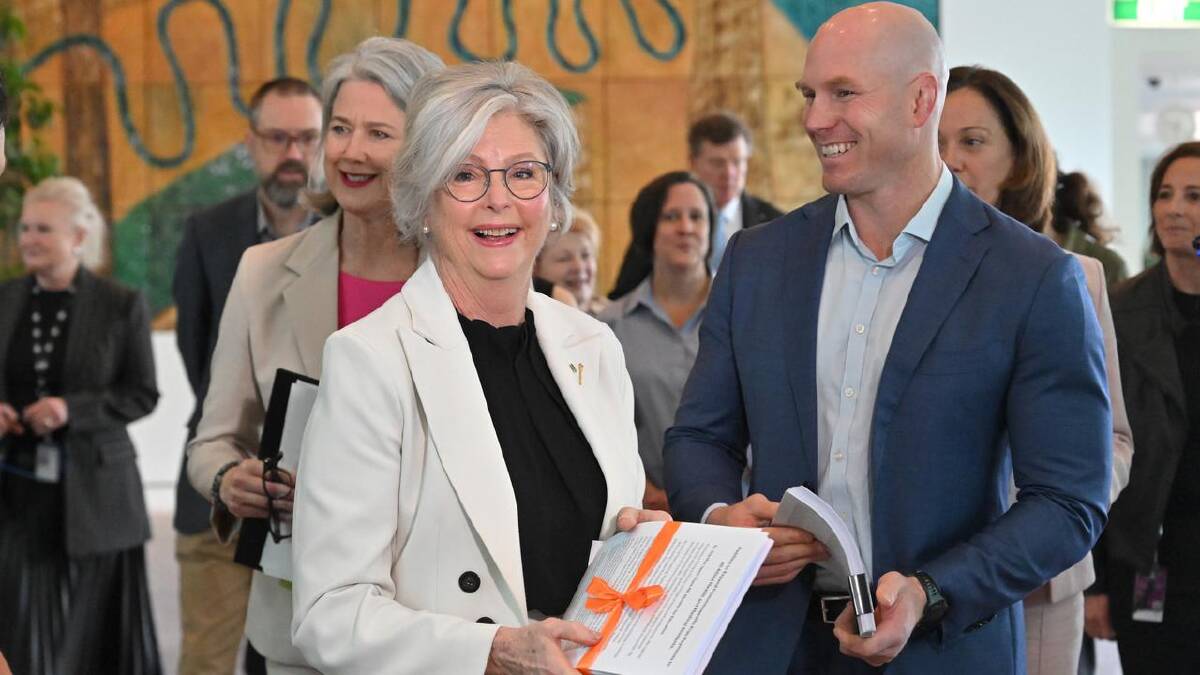
One significant achievement was her work alongside independent senator David Pocock in securing expansion of the Commonwealth’s paid practical placement program, helping students undertaking mandatory placements in areas such as nursing and midwifery receive financial support.
Helen also became an important advocate for greater integrity and transparency in Australian politics.
She played a significant role in the establishment of the National Anti-Corruption Commission, which began operating in 2023, and subsequently served as deputy chair of its parliamentary oversight committee.
Her work was shaped by the belief that public institutions should be accountable to the people they serve.
She once explained that her years in healthcare had taught her a lesson she continued to carry into Parliament:
“As a nurse and a midwife, you’re with people in their most joyous and difficult moments.”
“It’s taught me that life is precious, that everyone deserves dignity and respect, that good policy starts with listening.”
It was a philosophy that resonated well beyond her electorate.
October 19: The Day Her Own Life Changed
On Monday, October 19, 2026, Helen was outside her electorate office in Wangaratta when she was struck by a Toyota LandCruiser.
The incident happened shortly before 4pm, prompting an emergency response from paramedics, police and other first responders.
Bystanders rushed to assist, with several members of the public intervening at the scene.
Helen was transported to hospital before being flown to Melbourne for specialist treatment.
Her injuries were life-threatening.
On the day of the incident, surgeons amputated her left leg. Despite further efforts to save her right leg, her husband Phil confirmed two days later that doctors had also been forced to remove it.
The news devastated her family and shocked the wider community.
Police allege the driver deliberately struck Helen. A 43-year-old man, Brendan Nugent, was charged with several offences, including intentionally causing serious injury, dangerous driving causing serious injury and causing harm to a Commonwealth public official.
The investigation is ongoing, and a motive has not been established.
The seriousness of the allegations has added another dimension to an incident that has deeply affected Wangaratta and people across Australia.
‘The Good News Is That She’s Alive’
In the days following the incident, Phil spoke publicly about his wife’s condition, describing the extent of her injuries and the difficult recovery that lay ahead.
Despite the enormous shock, he wanted people to understand that Helen was still fighting.
“The good news in all this is that she’s alive. That is the most important thing for our family,” he said.
He also spoke about the qualities that defined his wife, describing her as a woman whose heart and mind remained her greatest strengths.
“Her heart is huge — she is a very compassionate, caring, loving person, incredibly supportive of all around her.”
“And her mind — she has the sharpest intellect. She has always had the most intense desire to learn, to read, to synthesise and to understand what’s going on.”
The words offered an intensely personal glimpse into the woman behind the public role.
Phil also said the family were hoping Helen would recover with the support and love of those around her.
“She is a determined person to do her best, with our support and love, to recover.”
For a couple approaching their 40th wedding anniversary, the sudden change to their lives was almost impossible to comprehend.
A Small Sign of Hope Amid an Enormous Challenge
For several days, Helen remained in a critical condition.
Then, on Saturday, October 24, the Alfred Hospital confirmed that her condition had improved to serious but stable.
It was the first significant improvement publicly announced since the incident.
The update brought some relief to her family, colleagues and supporters, although doctors continued to face a demanding recovery period ahead.
By October 27, reporting from the Australian Parliament indicated that she remained in serious but stable condition.
Her recovery is expected to be long and complex, involving extensive rehabilitation and adjustment to life following the loss of both legs.
The family has asked Australians to support Save the Children in her honour, and donations to the charity have exceeded $1 million according to reports published following the incident.
The response reflected the affection and respect many people across the country have for Helen.
Her staff, local residents and parliamentary colleagues have also shared messages of support.
The Community She Spent Her Life Caring For Is Now Standing With Her
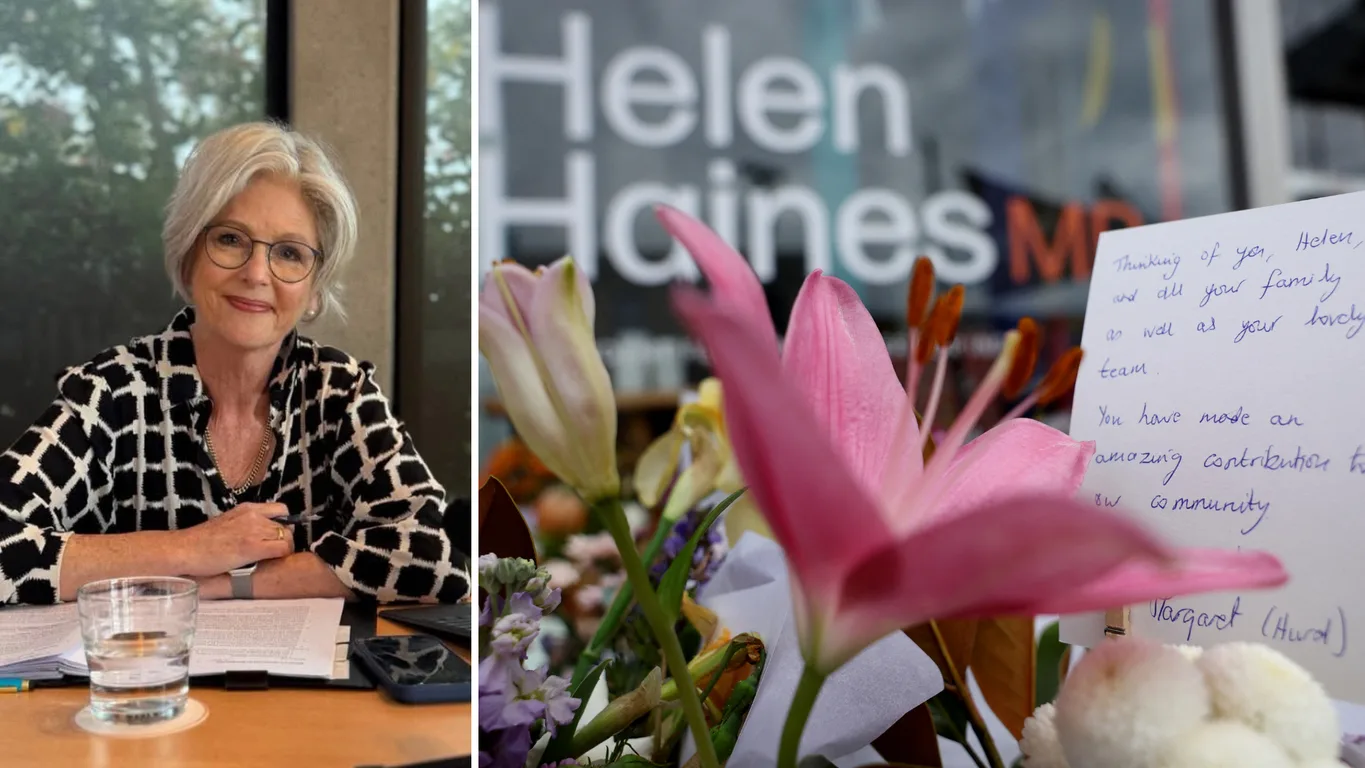
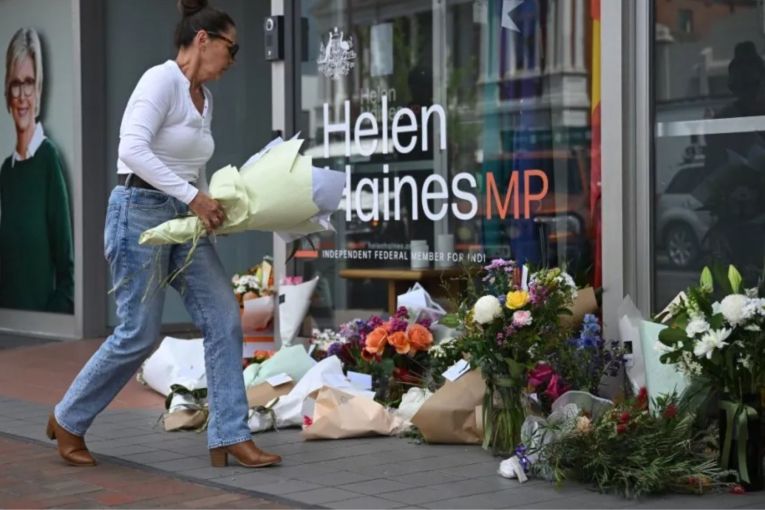
Outside Helen’s Wangaratta electorate office, flowers, handwritten messages and tributes have appeared as residents seek to express their support.
The response has extended well beyond north-east Victoria.
People who knew Helen as a nurse, midwife, researcher, neighbour and local representative have spoken about the difference she made in their lives.
Some remember her from the hospital wards where she cared for their families. Others remember the woman who continued to advocate for regional communities long after she entered Parliament.
Many have described her as approachable, thoughtful and deeply committed to the people she represented.
Her predecessor, Cathy McGowan, and fellow independent representatives have also expressed their support.
The Australian Parliament has paid tribute to her, with members from across the political spectrum acknowledging her contribution and wishing her strength.
For a woman whose career was built around caring for others, the outpouring of support has been particularly meaningful.
From Caring for Others to Facing a New Chapter Herself
Helen Haines’ story has always been one of service.
She began as a young nurse, became a rural hospital leader, developed a career in midwifery and medical research, raised a family and eventually entered Parliament to represent the community she had spent decades caring for.
Her life has been shaped by an enduring belief that people deserve dignity, respect and access to the support they need, regardless of where they live.
Now, at 65, she faces a different kind of challenge.
The latest hospital update offers some hope, but the road ahead remains uncertain. Her family is preparing for a long period of recovery, while the community that once relied on her leadership is now hoping to support her in return.
There is no simple way to describe the scale of what has happened, and no reason to pretend the challenges ahead will be easy.
But Phil’s words about his wife’s heart and mind have offered a powerful reminder of the person at the centre of this story.
Helen spent more than 30 years helping patients through some of the most difficult moments of their lives. She then carried that experience into public service, fighting for the people and places she believed deserved a stronger voice.
Now, the woman who devoted so much of her life to caring for others is receiving that care herself.
And across the communities she has served, one hope remains at the centre of every message: that Helen will continue to find the strength to face whatever comes next.
“In Lieu of Flowers…” The Heartbreaking Hospital Request That Left Australia Speechless
Independent MP Helen Haines, facing a deeply distressing personal situation following the devastating events in Wangaratta, reportedly made a decision that touched the hearts of Australians across the country.
Rather than allowing supporters to focus solely on her recovery through traditional gestures of kindness, she encouraged them to direct their generosity towards children in need.
The request carried a remarkable message of compassion, and the response reportedly reached almost AU$1 million for Save the Children.
At a moment when so many people were thinking about her, Haines appeared determined to remind them of those who needed help even more.

A Tragedy That Captured Australia’s Attention
The events in Wangaratta brought an extraordinary wave of concern for Helen Haines and her family, prompting Australians to look for updates and ways to offer their support.
For a public figure who has spent years working within her community, the sudden focus on her personal circumstances created an emotional moment that extended well beyond political circles.
Haines is widely associated with her work as an independent representative for the people of Indi, a role that has placed community concerns at the centre of her public life.
Her connection with the region has helped establish her as a familiar figure among constituents who have followed her work on local issues, healthcare and regional representation.
When news of the incident emerged, concern naturally extended to her wellbeing and the circumstances facing those closest to her.
Supporters wanted reassurance.
Others looked for opportunities to send messages of encouragement, hoping that their words might provide some comfort during an extraordinarily difficult period.
The response reflected something deeply familiar in Australian communities.
When someone is facing a serious personal crisis, people often search for practical ways to demonstrate that they are not alone.
Sometimes that means a phone call.
Sometimes it means a handwritten card, a delivery of flowers or a donation made in someone’s name.
But in this case, the response reportedly developed into something much larger than anyone could have anticipated.
An Outpouring of Sympathy and Support
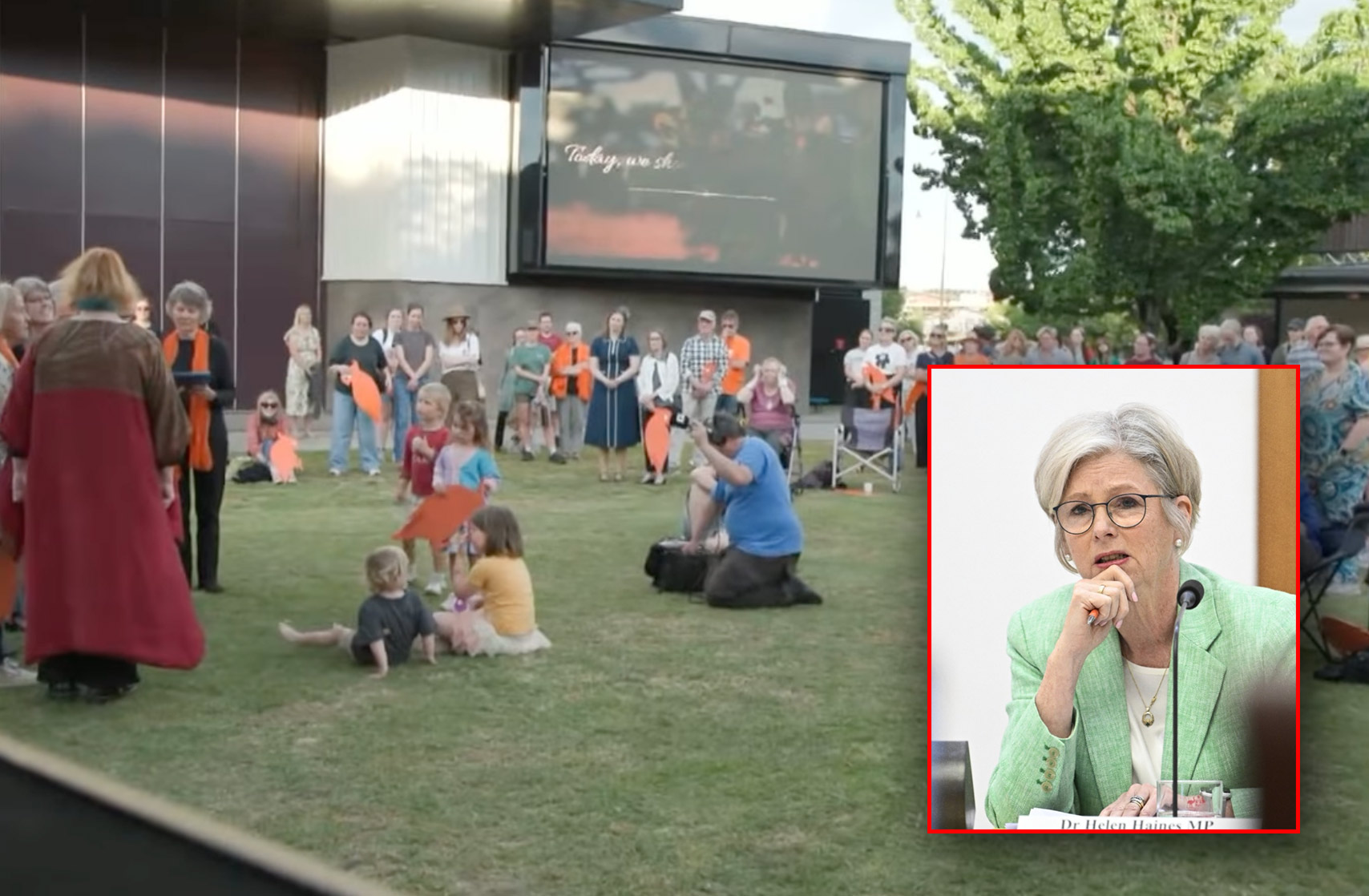
As news spread, messages of concern and encouragement reportedly began arriving from Australians who wanted to express their support for Haines and her family.
The flowers and well-wishes represented more than ordinary gestures of kindness.
They reflected the emotional connection that can develop between a public representative and the people who have watched their work over many years.
For many supporters, sending something during a difficult moment is a way of communicating a simple message.
We are thinking of you.
We hope you recover.
You do not have to face this alone.
That instinct can be especially powerful when the person receiving those messages has spent much of their professional life working on behalf of others.
Yet the growing attention also created an opportunity to redirect that generosity.
Instead of allowing the response to remain focused entirely on her personal circumstances, Haines reportedly made a request that encouraged Australians to consider a different group of people who were also facing difficult situations.
Children in need.
It was a decision that changed the emotional direction of the story.
Rather than simply receiving the sympathy being offered, she was reportedly encouraging supporters to transform their concern into practical assistance.
The gesture suggested that even during a moment of personal hardship, there remained an opportunity to help someone else.
“In Lieu of Flowers…” The Request That Changed Everything
The emotional turning point came with a formal statement released on Haines’ behalf.
According to the supplied account, supporters were encouraged to make donations to Save the Children rather than sending flowers or gifts.
The request was simple, but its meaning was profound.
Instead of allowing the public’s generosity to remain concentrated on one individual, the appeal offered a way for that generosity to reach children who needed protection, assistance and support.
For Australians who had been searching for a meaningful way to express their concern, the suggestion provided a practical alternative.
A donation could become more than a symbolic gesture.
It could contribute towards programs intended to help vulnerable children and families facing difficult circumstances.
The response reportedly exceeded expectations, with the campaign raising almost AU$1 million.
That figure represents a remarkable reported outcome for an appeal that began with a request to redirect flowers and gifts.
However, the precise fundraising total, campaign details and circumstances surrounding the statement would need independent confirmation before publication as verified news.
What makes the reported appeal so compelling is not simply the amount of money involved.
It is the idea that an individual receiving an extraordinary amount of public sympathy might choose to use that attention to support people whose struggles are often less visible.
Why the Message Resonated With Australians
The reported response reflected a powerful emotional connection between compassion and action.
When people hear about a tragedy, they often experience a mixture of sadness, concern and helplessness.
They want to do something, but the distance between their own lives and the situation can make meaningful assistance feel difficult.
A charitable appeal can provide a way to bridge that distance.
Instead of simply expressing sympathy, supporters have an opportunity to contribute towards a cause that may improve the lives of others.
The reported campaign also offered a different perspective on the role of public figures during moments of personal crisis.
People naturally expect updates about a politician’s health, family and recovery.
But a request to support children in need shifts the focus away from the individual and towards a wider community.
That shift can be particularly moving because it demonstrates how personal circumstances and public responsibility sometimes intersect.
It also creates an opportunity for people to respond to tragedy with something constructive.
Rather than allowing the emotional impact of an incident to end with concern and uncertainty, supporters can participate in an effort that seeks to make a positive difference.
The reported fundraising response suggests that many Australians were willing to embrace that opportunity.
A Community Advocate’s Values Under Pressure
Helen Haines’ public career has been shaped by her work representing a regional electorate and advocating for issues affecting local communities.
Her background in healthcare has also contributed to her association with concerns surrounding access to services, particularly in regional areas where resources and support can be more difficult to obtain.
That experience provides important context for understanding why a charitable appeal involving vulnerable children might resonate with her public identity.
Community advocacy often requires looking beyond immediate circumstances and considering how decisions affect people who may have limited opportunities to make their voices heard.
Children are particularly vulnerable in that respect.
Their circumstances can depend heavily on the support available to their families, communities and the organisations working to protect them.
For supporters who have followed Haines’ work, the reported request may therefore have felt consistent with the values they associate with her.
It was an opportunity to turn concern into something that could potentially benefit people beyond her immediate circle.
Still, the appeal should not be interpreted as evidence that her personal recovery was unimportant.
A person can appreciate support during a crisis while also encouraging others to contribute to a broader cause.
The two forms of compassion are not mutually exclusive.
Turning a Difficult Moment Into Hope
The reported campaign offers a powerful reminder that generosity can take many forms.
Flowers can brighten a hospital room.
Messages can provide comfort.
And donations can help organisations support people facing circumstances that might otherwise feel impossible to overcome.
Each gesture carries its own meaning, and none needs to be dismissed simply because another form of assistance is available.
But when someone chooses to redirect an extraordinary wave of public sympathy towards a charitable cause, the effect can extend far beyond the original moment.
The reported near-AU$1 million fundraising outcome demonstrates how a simple request can inspire a remarkable response when people feel connected to the person making it.
For Save the Children, the appeal reportedly created an opportunity to receive substantial support for its work with vulnerable children.
For Australians who contributed, it offered a way to transform concern into action.
And for those following Haines’ circumstances, it provided a reminder that compassion does not have to stop with the person who first receives it.
A Legacy of Kindness Beyond the Hospital Room
The most powerful part of this story is the possibility that an act of generosity can continue long after the headlines fade.
A hospital stay may bring uncertainty, difficult conversations and moments when even the smallest gesture feels significant.
Yet the reported appeal suggests that one person’s request can inspire thousands of others to think about how they might help.
The flowers that were never sent, the gifts that were replaced by donations and the messages of support that accompanied the campaign all contributed to a wider expression of kindness.
If the reported fundraising figures are confirmed, the outcome would represent a remarkable achievement for a campaign born from a deeply distressing situation.
But its significance extends beyond the money raised.
It lies in the reminder that people facing hardship can still inspire hope, and that communities can respond to tragedy by finding ways to support those who need help.
For Helen Haines and her family, the priority remains their personal wellbeing and recovery.
For the children and families supported by charitable organisations, the appeal may offer additional resources and opportunities for assistance.
And for Australians who watched the story unfold, the message is one worth remembering.
Sometimes, the most meaningful response to someone’s suffering is not simply to send flowers.
Sometimes, it is to take the kindness we feel and pass it on to someone who needs it just as much.
In a moment when so many people were thinking about Helen Haines, her reported request offered a different kind of ending.
One in which sympathy became generosity, generosity became action, and a deeply difficult chapter became an opportunity to bring hope to children whose lives could be changed by the kindness of strangers.