The Great Christmas Tree Debate Is Finally Over—And One Clear Winner Just Crushed Every Other Date
Every year, as Halloween decorations disappear and supermarket shelves fill with tinsel, one question threatens to divide households everywhere: when is it officially acceptable to put up the Christmas tree?
For some families, the festive season begins the moment October ends, with sparkling lights, Christmas playlists, and boxes of decorations appearing before the Halloween candy has even been finished.
For others, anything before December is simply unthinkable.
But as the annual debate returns, one date continues to stand out as a favourite among traditional Christmas lovers, offering the perfect balance between festive excitement and the anticipation of December 25.
And with a particularly interesting calendar twist in 2026, even those who prefer to follow tradition may have a little extra time to enjoy the magic.
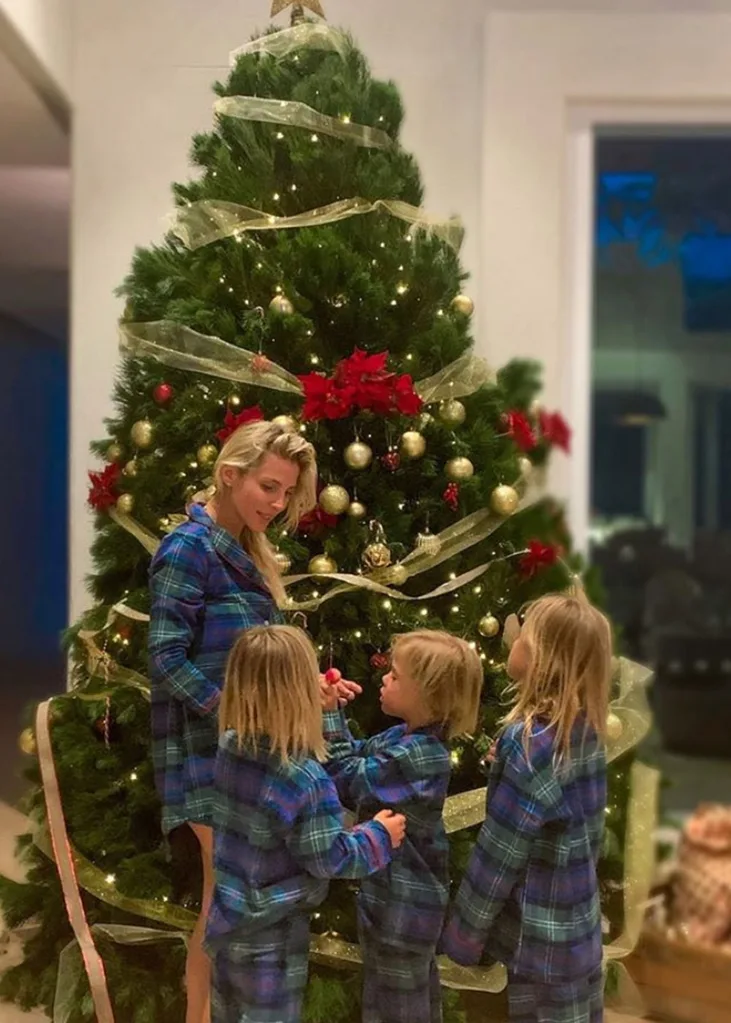
The Christmas Tree Debate That Divides Every Family
There are few holiday traditions as personal as decorating the Christmas tree.
For some people, it is an eagerly anticipated family event that marks the beginning of their favourite time of year.
For others, it is a ritual best saved until December, when the countdown to Christmas finally feels close enough to justify bringing out the decorations.
The early decorators have a simple argument: life is short, Christmas is wonderful, and there is absolutely no reason to wait weeks to enjoy twinkling lights in the living room.
They often begin immediately after Halloween, transforming their homes with colourful ornaments, festive wreaths, and Christmas music while the rest of the neighbourhood is still deciding whether autumn is over.
Then there are the traditionalists, who believe that waiting is part of the magic.
For these households, decorating too early risks making the season feel unnecessarily long, while putting the tree up closer to Christmas preserves the excitement of the final countdown.
Some even insist that Christmas decorations should not appear until December 1, treating the first day of the month as an unofficial national invitation to embrace the festivities.
And, of course, there are those who leave everything until the last possible moment, preferring to concentrate their festive enthusiasm into the days immediately before Christmas.
With so many different traditions, it is hardly surprising that the question continues to inspire lively discussions among families, friends, and neighbours.
Why December 1 Remains A Favourite
Among Christmas enthusiasts, December 1 has long held a special place as the ideal date to decorate.
It offers the best of both worlds, allowing families to enjoy several weeks of festive atmosphere without feeling as though Christmas has arrived before the rest of the world is ready.
For households with children, the date can also provide a memorable way to mark the beginning of the holiday countdown.
Opening the boxes of decorations, untangling strings of lights, and deciding where each treasured ornament belongs can become an annual ritual that children remember long after they grow up.
For others, the tradition is about continuity.
Perhaps their parents always decorated on December 1, or perhaps the family has a rule that the Christmas tree must be standing before the first advent calendar window is opened.
These seemingly small customs can become powerful reminders of family connections, particularly when relatives live far apart or when the year has brought unexpected challenges.
Some households also follow the tradition of keeping their decorations up until January 6, traditionally associated with Epiphany and the end of the Twelve Days of Christmas.
That approach allows the festive atmosphere to continue beyond New Year’s Day, giving families an opportunity to enjoy their decorations during the quieter period between Christmas and the return to everyday routines.
For these traditionalists, the season is not simply about Christmas morning.
It is about the weeks of anticipation, the celebrations themselves, and the gradual transition into a new year.
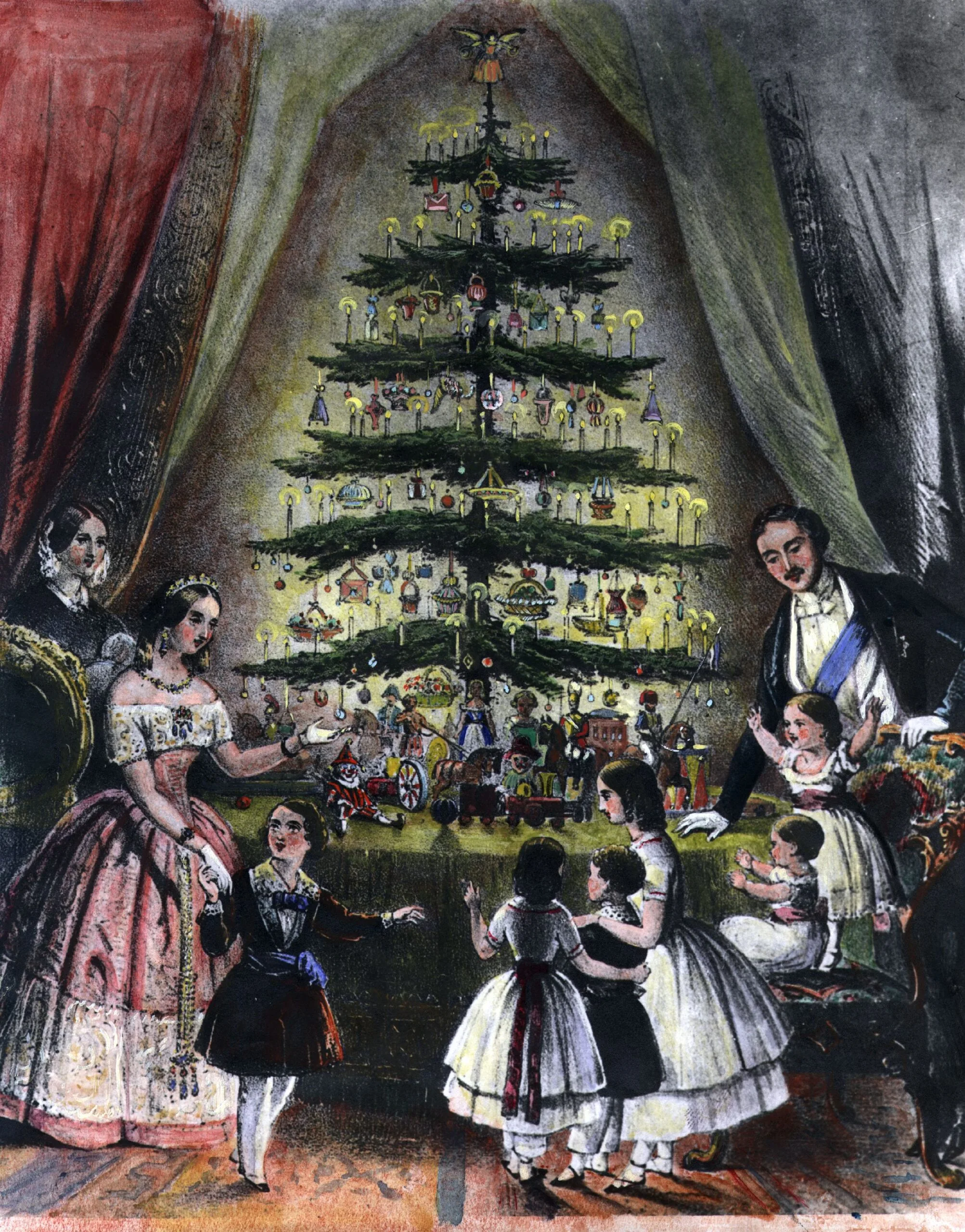
The 2026 Calendar Twist That Could Change Everything
For anyone determined to follow the Christian calendar, 2026 offers an interesting detail that could influence when the decorations appear.
The First Sunday of Advent falls on November 29, 2026, giving families who use Advent to mark the beginning of the season a traditional reason to start decorating before December arrives.
Advent is the period of preparation leading up to Christmas, and its start date changes each year because it is linked to the Sunday nearest to November 30, with the season beginning on the fourth Sunday before Christmas Day.
In 2026, that means Advent begins on the final Sunday of November.
For traditionalists who prefer not to decorate immediately after Halloween, the timing offers a natural compromise.
They can wait until November 29, welcome the beginning of Advent, and still enjoy their Christmas tree for a little longer before December 25.
Compared with December 1, the difference is only two days, but for families eager to get into the festive spirit while respecting their traditions, those extra days can feel like a welcome bonus.
It is also a reminder that there is no single universal date that applies to every household.
Some people follow religious observances, others prefer the convenience of a weekend, and many simply choose whichever evening allows the family to gather together.
The calendar may provide a useful guide, but the meaning behind the tradition is ultimately what matters most.

Real Trees Bring Their Own Rules
While artificial trees can be assembled weeks in advance and packed away without much concern, households that choose real Christmas trees often have another consideration: freshness.
A freshly cut tree can bring a wonderful natural scent into the home, but its appearance and condition depend on the species, how recently it was harvested, and how it is cared for.
Putting up a real tree later in December can help some families keep it looking fresher through Christmas and into the New Year.
However, the date alone does not determine how long a tree will last.
Choosing a fresh tree, making a fresh cut at the base when appropriate, keeping the stand filled with water, and placing the tree away from heaters, fireplaces, and direct heat can all help reduce drying.
Families with artificial trees, meanwhile, have the freedom to decorate whenever they please without worrying about needles falling across the carpet before Christmas dinner.
This practical difference helps explain why there can never be a completely universal answer to the great tree debate.
The perfect date for one household might be entirely unsuitable for another, depending on the type of tree, family schedules, and how long everyone wants to enjoy the decorations.
Families Share The Traditions That Make Christmas Special
Beyond the question of dates, the Christmas tree debate reveals how deeply personal holiday traditions can be.
For some families, decorating begins with a favourite Christmas album playing in the background and everyone arguing over who gets to place the star on top.
Others turn the occasion into a full evening of baking, hot chocolate, festive films, and stories about ornaments collected over many years.
There are households where every child receives a new decoration annually, gradually building a collection that reflects their changing interests and personalities.
Elsewhere, the tree becomes a living scrapbook, filled with handmade crafts, travel souvenirs, and ornaments inherited from grandparents.
These traditions can be especially meaningful for families navigating difficult years, offering a familiar source of comfort when so much else feels uncertain.
The act of decorating does not need to be elaborate or expensive to create lasting memories.
Sometimes, the most cherished moments come from discovering a broken ornament, laughing over tangled lights, or realising that somebody has been placing the same decoration in the wrong spot for years.
And while readers may disagree about whether November is too early or December is too late, the enthusiasm behind these rituals is something most Christmas lovers can understand.
So, When Should You Put Your Tree Up?
If December 1 is your family’s tradition, there is no reason to abandon it.
If you prefer to begin immediately after Halloween, there is no need to feel guilty about enjoying the lights a little earlier.
And if you want to follow Advent in 2026, November 29 offers a meaningful starting point that fits comfortably within the traditional calendar.
Ultimately, the best date is the one that makes the season enjoyable for the people sharing it.
Christmas is not a competition to see who can decorate first, nor is it a test of who can resist the festive spirit for the longest.
It is an opportunity to bring people together, celebrate familiar traditions, and create moments that will be remembered long after the decorations have been packed away.
After another demanding year, perhaps the simplest rule is also the best one: if decorating early makes you happy, put the tree up early.
If waiting until December makes the occasion feel more special, enjoy the anticipation.
And if your family cannot agree, there is always room for compromise, especially when the reward is a living room filled with lights, ornaments, and the unmistakable feeling that Christmas is on its way.
So turn up the carols, bring out the decorations, and let the annual debate continue with a little more laughter and a little less judgment.
Whether your tree goes up on November 29, December 1, or just days before Christmas, the real magic has never been about the date.
It has always been about the people gathered around the tree, the traditions they share, and the memories they make together.