“Thank you for caring and praying for me over the past period; now, perhaps, I am doing better.” After undergoing treatment, Helen Haines has finally spoken out and announced that her health is gradually improving.
“Anyway, I am deeply grateful that during times like these, you still support me… I nearly broke down in tears when I realized that.” However, upon seeing her, many couldn’t
help but worry about her current condition—wondering whether Helen is truly getting better, or if she is simply trying to endure the pain all on her own…
Across regional Victoria and throughout Australia’s political landscape, few figures have commanded the quiet respect and grassroots affection earned by Helen Haines. As the Independent federal member for Indi, Haines has built a
reputation anchored in tireless advocacy, rural resilience, and an unwavering commitment to the communities she represents. Yet in recent weeks, away from the heated debates of Parliament House in Canberra and the demanding
travel schedule across her vast electorate, the former nurse and midwife has been fighting a deeply personal battle behind closed doors—one that has left constituents, colleagues, and supporters holding their breath in anxious solidarity.
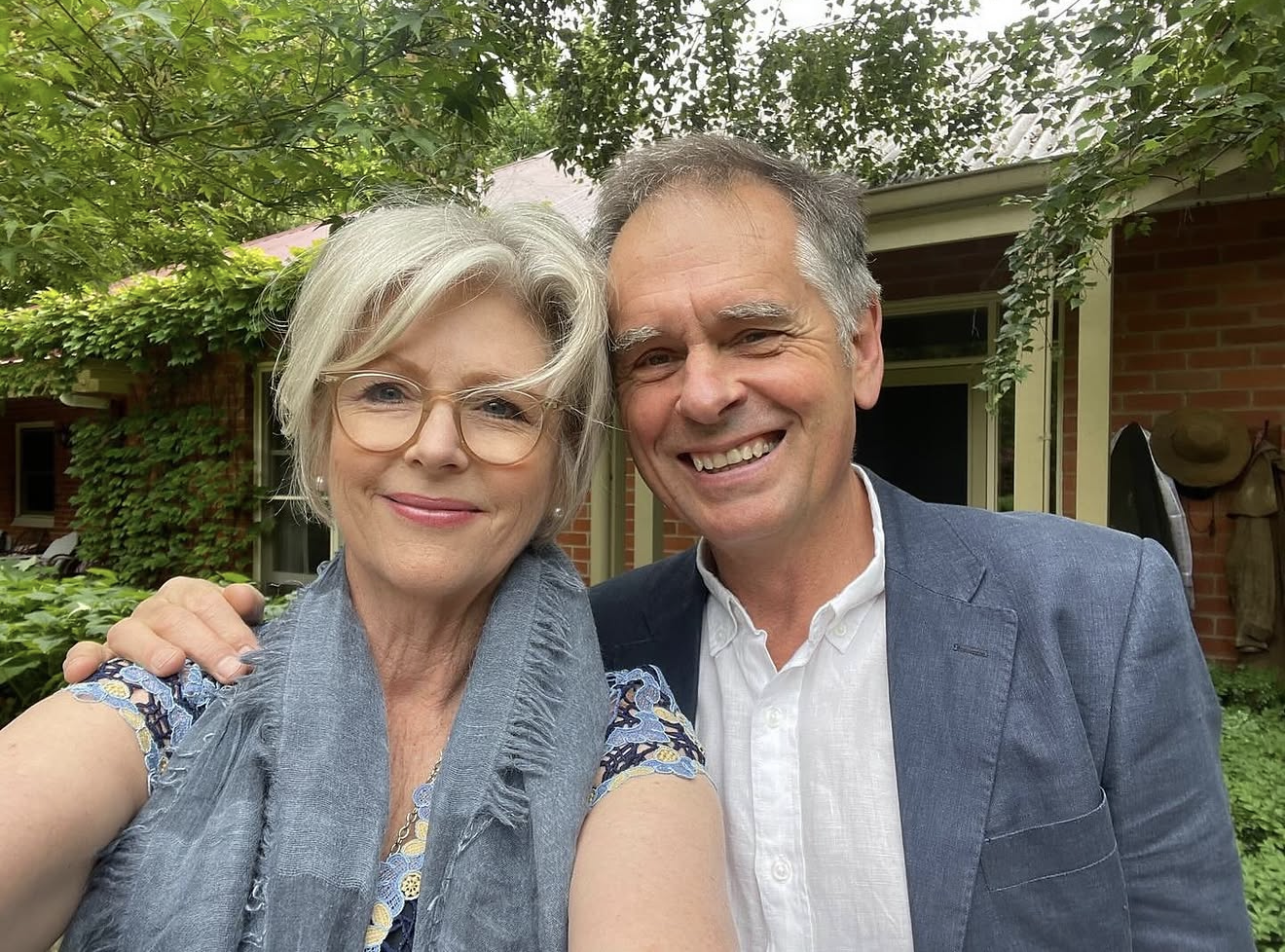
After an extended period of medical treatment and quiet recovery out of the public eye, Haines finally broke her silence, addressing the thousands of well-wishers who have flooded her office and social media channels with messages of concern.
Speaking with the measured warmth that has long defined her public persona, she sought to reassure the public that her condition was steadily turning a corner. “Thank you for caring and praying for me over
the past period; now, perhaps, I am doing better,” she shared, her words carrying both a sense of relief and the unmistakable caution of someone who knows recovery is rarely a straight line.
For those who have followed her career closely, the announcement was met with an immediate wave of gratitude—yet also a lingering sense of unease. Before entering federal politics, Haines spent more than three decades
working on the front lines of rural healthcare as a nurse, midwife, and medical researcher. She understands better than most the toll that serious illness and intensive treatment take on the human body, as
well as the instinct many caregivers have to shield others from the full extent of their own vulnerability. It was precisely that background that made her recent appearance and remarks feel so poignant to onlookers.
In her message, Haines reflected on the overwhelming outpouring of kindness she received while stepping back to focus on her health. From handwritten cards sent by elderly residents in Wangaratta and Wodonga to prayers
offered by community groups across the north-east, the sheer volume of support caught even the seasoned parliamentarian off guard. “Anyway, I am deeply grateful that during times like these, you still support me…
I nearly broke down in tears when I realized that,” she admitted, her voice softening as she described reading through messages from constituents who told her to put her own wellbeing ahead of political duties.
Yet, as images and footage of her brief public update circulated online, close observers and longtime supporters could not help but look past the reassuring words to the subtle signs of physical exhaustion etched across her face.
Noticeably thinner and moving with a careful, deliberate pace, Haines appeared visibly fatigued, sparking an immediate wave of compassionate concern across the community. While her smile remained genuine and her spirit unmistakably determined, many were
left quietly wondering whether her declaration of improvement reflected a true return to full strength—or if she was simply putting on a brave face to spare her loved ones and constituents from further worry.
In regional communities where people know their neighbors intimately, that question quickly became a central topic of heartfelt discussion. Constituents who have seen Haines stand beside them through bushfires, droughts, floods, and healthcare crises know
firsthand her habit of deflecting attention away from her own struggles. Throughout her years in public service, she has rarely allowed personal fatigue to slow her down, often traveling hundreds of kilometers in a single
day to attend town halls, visit local hospitals, and listen to the concerns of everyday Australians. To many, the thought that she might be quietly enduring lingering pain on her own felt deeply characteristic—and deeply heartbreaking.
Healthcare professionals and fellow advocates who have worked alongside Haines noted that recovering from intensive medical treatment often involves a long, unseen chapter after the initial crisis has passed. Even when clinical indicators point toward improvement, the body continues
to carry the heavy burden of fatigue, discomfort, and emotional strain. For someone accustomed to being the pillar of strength for others, accepting help and allowing oneself time to fully heal can be one of the hardest challenges of all.
Within political circles in Canberra, colleagues across the aisle have also expressed their genuine admiration for her courage while urging her not to rush back into the grueling demands of parliamentary life.
Federal politics is notoriously unforgiving on personal health, marked by late-night sittings, constant flights, and relentless public scrutiny. Friends and advisers close to Haines have reportedly encouraged her to listen
closely to her doctors and her body, reminding her that her community wants her healthy and whole for the long haul rather than pushing through pain prematurely.
Meanwhile, messages of encouragement have continued to pour in from every corner of the country. Supporters have flooded online forums and community pages with words of comfort, urging her to
rest without guilt and reminding her that she does not have to carry any burden in silence. Many wrote that seeing her vulnerability only deepened their respect for her humanity,
emphasizing that true strength is not measured by pretending to be invincible, but by allowing oneself to be supported by the very community one has spent a lifetime serving.
For Haines, whose entire life’s work has revolved around caring for others—from delivering babies in regional hospitals to fighting for better healthcare access in rural towns—receiving that same level of
tender concern from the public has been a humbling experience. Even in her cautious phrasing, noting that “perhaps” she is doing better, there was an honesty that resonated far more deeply than polished political reassurances ever could.
It acknowledged the uncertainty that accompanies any healing journey, while affirming the profound comfort found in knowing she is not walking that path alone.
As the days ahead unfold, all eyes remain gently fixed on Helen Haines—not with the sharp scrutiny usually reserved for politicians, but with the quiet, protective care of a community watching over one of its own.
Whether her road to full recovery requires weeks or months of further rest, the message from the people who know and admire her remains unmistakably clear: she has spent decades
easing the pain of others, and now, when it is her turn to heal, she deserves every ounce of patience, prayer, and genuine care in return.