Australia is mourning the loss of one of its greatest motorsport figures, Alan Jones, whose remarkable journey from a struggling young racer to Formula 1 world champion became one of the defining stories in Australian sporting history.
The 1980 F1 world champion passed away on Thursday, November 5, 2026, at the age of 80, just three days after celebrating his milestone birthday.
His family confirmed that he died following a short illness, prompting tributes from across Australia and the international motorsport community.
But behind the championships, historic achievements and famously uncompromising personality was a man who had faced personal and health challenges away from the racetrack.
Now, reports of a cancer diagnosis only weeks before his passing have brought renewed attention to the final chapter of his extraordinary life — and to a deeply personal philosophy he once shared.
The Words That Defined Alan Jones
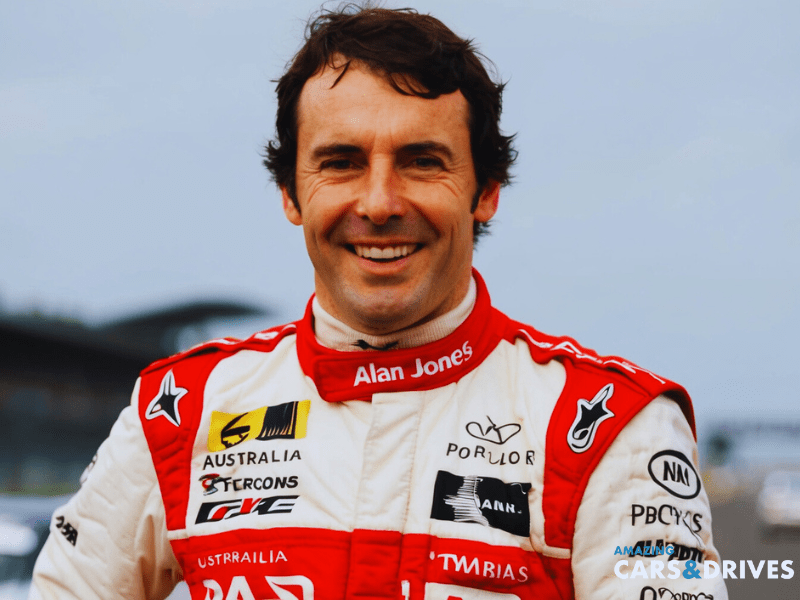
“Never show weakness, that was my mantra.”
Those words, spoken by Jones during an interview with Wheels magazine published in December 2025, offered a revealing glimpse into the mindset of one of Australia’s toughest racing champions.
Jones was known throughout his career for his fierce competitiveness, determination and willingness to confront difficult situations.
In the interview, he reflected on how he approached both racing and personal pressure.
Even when worries kept him awake through the night, Jones explained, he would tell people he had slept perfectly well rather than reveal his concerns.
It was a characteristic attitude from a driver whose confidence and refusal to back down had helped carry him through some of the most demanding years of his career.
Those reflections have taken on particular emotional significance following his passing, offering a reminder of the strong-willed personality that remained central to his identity long after his racing days ended.
From Difficult Beginnings to the Top of Formula 1

Long before he became a household name, Jones faced an uncertain road towards the sport’s highest level.
Born in Melbourne on November 2, 1946, he grew up surrounded by motorsport.
His father, Stan Jones, was a successful Australian racing driver whose achievements helped inspire Alan’s ambitions.
However, following in his father’s footsteps was far from straightforward.
After moving to Britain to pursue his racing dream, Jones struggled to secure the financial backing needed to compete.
He and his first wife, Beverley, rented out rooms in their London home and sold second-hand cars to help support his career.
Despite the difficulties, Jones remained convinced that he belonged among the world’s leading drivers.
“I always thought I was good enough,” he recalled during his Wheels interview.
His breakthrough finally came in 1975, when he made his Formula 1 debut at the Spanish Grand Prix.
Two years later, he claimed his first Grand Prix victory in Austria while driving for the Shadow team.
It was the result that helped change the direction of his career.
The Historic Triumph That Made Him an Australian Sporting Icon

Jones joined Williams in 1978, beginning a partnership that would transform both his career and the British racing team’s future.
Working alongside team founder Frank Williams and technical director Patrick Head, he helped establish Williams as a serious contender in Formula 1.
In 1979, Jones claimed four Grand Prix victories and finished third in the world championship standings.
The following season would become the defining year of his career.
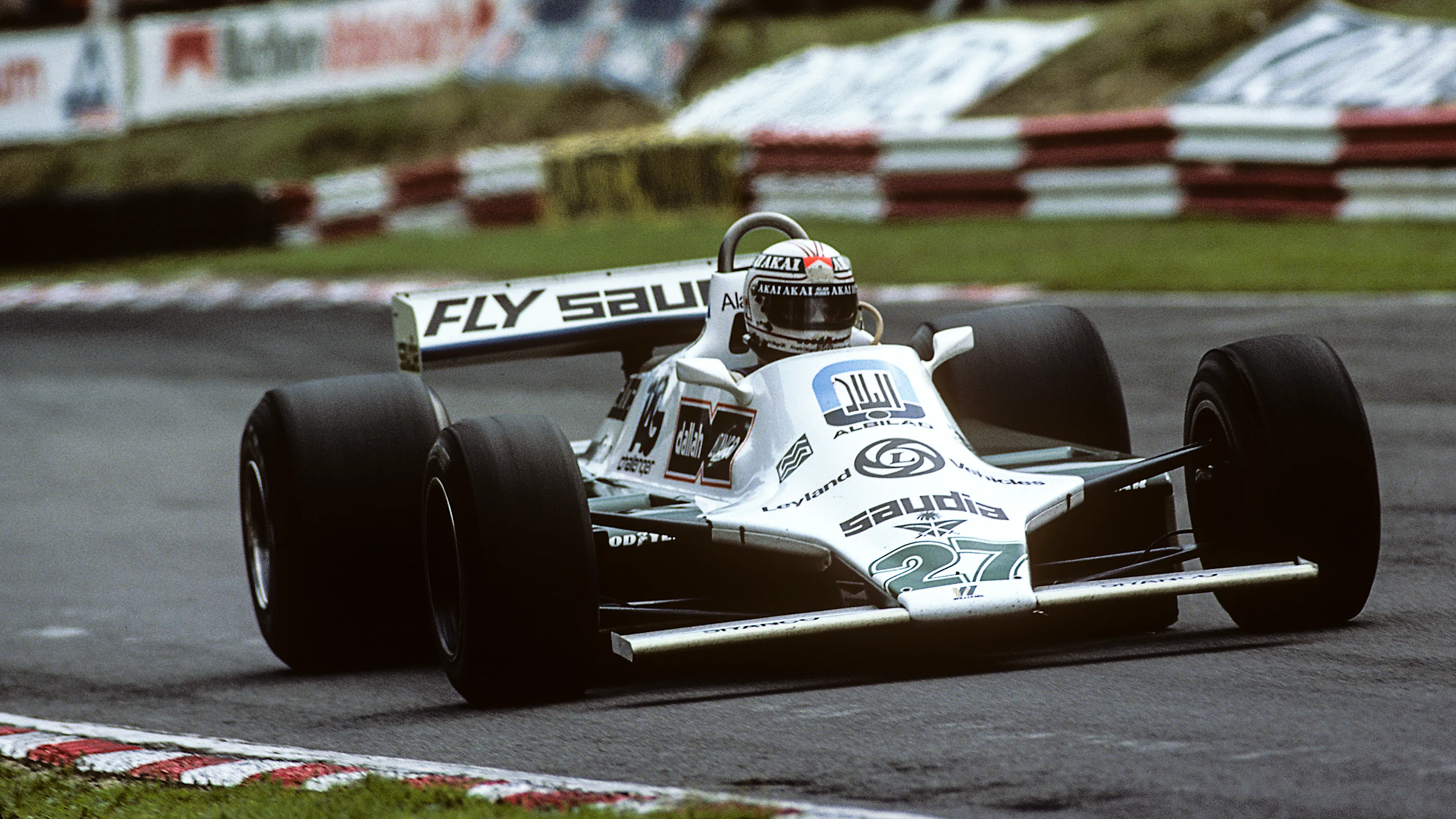
Driving the Williams FW07B, Jones won five races during the 1980 Formula 1 season and secured the Drivers’ World Championship.
He became only the second Australian to achieve the honour, following Sir Jack Brabham.
The achievement also delivered Williams its first Drivers’ World Championship, helping lay the foundations for the team’s future success.
Across his Formula 1 career, Jones recorded 12 Grand Prix victories, 24 podium finishes and 116 race starts.
More than four decades after his championship triumph, he remained the most recent Australian driver to have won the Formula 1 world title.
His influence extended beyond the statistics. For generations of Australian racing fans, Jones represented the possibility of competing against the world’s best and winning.
A Different Side of Life Away From the Racetrack
Although Jones eventually stepped away from Formula 1, his passion for motorsport never disappeared.
Following his initial retirement after the 1981 season, he made a brief return in 1983 before racing again in Formula 1 during 1985 and 1986.
Back in Australia, he continued competing in touring cars and other motorsport categories, later becoming a familiar television commentator.
Away from competition, however, life gradually took on a different rhythm.
During the Wheels interview conducted at his home on the northern Gold Coast, Jones spoke about his family, his memories of racing and his continued interest in the sport.
He shared details of his life with wife Amanda Butler-Davis, their twins Zara and Jack, and his wider family.
Rather than surrounding himself with reminders of past victories, Jones appeared more interested in the memories and experiences that had shaped his career.
He also continued to follow contemporary motorsport, including the progress of Australian Formula 1 driver Oscar Piastri.
Even as his own racing career became a distant memory, his connection to the sport remained strong.
The Health Challenge That Affected His Later Years
The same Wheels feature also revealed that Jones had experienced a serious health setback during 2025.
According to the magazine, he had suffered a heart attack earlier that year.
The episode had affected his physical condition and slowed him down, although he continued to take an active interest in motorsport and the achievements of younger drivers.
It offered a glimpse of a very different challenge from those Jones had faced during his years competing at the highest level of international racing.
The interview portrayed a man who remained direct, outspoken and interested in the sport that had defined so much of his life.
Despite the health difficulties, his familiar sense of humour and strong personality were still evident.
There is no publicly established connection between the heart attack reported in 2025 and the illness that preceded his passing in November 2026.
A Heartbreaking Diagnosis Reportedly Came Just Weeks Before His Passing
The final weeks of Jones’ life have now become the subject of further reporting following his death.
On November 5, Australian motorsport publication Speedcafe reported, citing Nine.com.au, that Jones had been diagnosed with cancer only weeks earlier.
Automotive publication WhichCar also reported the diagnosis, attributing the information to Nine.
The reports suggest that the former world champion had received the diagnosis shortly before his passing, adding another painful dimension to the news for those who followed his remarkable career.
However, his family’s official announcement did not identify the illness.
In a statement released through Motorsport Australia, wife Amanda Butler-Davis confirmed that Jones had passed away on November 5 following a short illness.
The family did not disclose a specific diagnosis, details of any treatment or a confirmed medical cause of death.
Consequently, while the cancer diagnosis has been reported by Australian media, it should not be treated as a diagnosis independently confirmed by his family.
Jones had celebrated his 80th birthday on Monday, November 2.
Just three days later, his passing brought an extraordinary Australian sporting life to a close.
His Family’s Emotional Farewell
In the statement issued through Motorsport Australia, Amanda Butler-Davis reflected on the enormous place motorsport had occupied in her husband’s life.
She expressed the family’s sadness and acknowledged the friendships, encouragement and support Jones had received throughout his journey.
The family also remembered the lasting influence of his achievements, passion and distinctive personality, both within Australia and internationally.
Jones is survived by his wife and six children.
The news prompted tributes from the organisations and people who had witnessed his impact on Formula 1.
Williams remembered Jones as a crucial figure in the team’s transformation into a championship-winning force.
The team highlighted his extraordinary partnership with Frank Williams and Patrick Head, describing his relentless competitive spirit as an important part of its identity.
Motorsport Australia also paid tribute to his achievements, recognising his place among the country’s most significant racing figures.
For those who had watched him compete, his loss marked the passing of a driver who helped define an era.
For his family and close friends, it was a much more personal farewell to the man behind the famous racing name.
A Legacy That Will Outlive the Chequered Flag
Alan Jones’ story was never simply about a world championship.
It was about the young Australian who travelled overseas with limited resources, refused to abandon his ambitions and eventually reached the summit of international motorsport.
It was also about the fearless competitor who helped transform Williams, the outspoken personality who became a familiar voice on television and the family man who continued following the sport he loved.
His career inspired generations of Australian drivers, yet his achievement in 1980 remains unmatched by another Australian more than four decades later.
And while his final weeks have brought renewed attention to the health difficulties he faced, they are only one chapter in a life defined by extraordinary determination.
The words he shared in that later interview — “Never show weakness” — offer a lasting glimpse of the attitude that carried him through racing’s triumphs and disappointments.
They were not presented as his final words, but as a reflection of the philosophy he had followed for much of his life.
Australia has lost a Formula 1 champion, a motorsport pioneer and one of its most recognisable racing personalities.
His greatest victories belong to history. The legacy he leaves behind will remain part of Australian motorsport for generations to come.
Sources: Formula 1, Motorsport Australia (5 November 2026); Wheels / WhichCar (December 2025); Speedcafe, ABC News (5 November 2026).